Wills and trusts both play a role in estate planning, but they work differently. Learn how each operates under Minnesota law and how they relate to probate.

Wills and trusts are two terms that come up often when talking about estate planning. Most people have heard of both, but the differences between them aren’t always clear.
While a will and a trust can both address what happens to someone’s property after they pass away, they don’t work in exactly the same way. They serve different purposes, take effect at different times, and can affect how an estate is handled.
So, what is the difference between a will and a trust in Minnesota? Let’s take a closer look at how each one works.
What Is a Will in Minnesota?
A will is a legal document that explains what someone wants to happen to certain property after their death.
It can name the people or organizations who will inherit assets and identify a personal representative to handle the estate. A will can also nominate a guardian for minor children, although the court makes the final decision about guardianship.
For example, someone might use a will to leave their home to a family member or divide certain assets among their children.
Minnesota has specific legal requirements for creating a valid will, including rules about signing and witnesses.
A will generally takes effect when the person who created it passes away. Depending on the assets involved, the estate may then go through probate.
What Is a Trust in Minnesota?
A trust works a little differently.
Instead of simply stating who should receive property after someone dies, a trust creates a legal arrangement for holding and managing assets.
The person who creates the trust is often called the grantor or settlor. The trustee is responsible for managing the assets according to the terms of the trust, while the beneficiaries are the people or organizations who benefit from it.
Some trusts are created to manage property during a person’s lifetime. Others focus on how assets will be handled after death.
A trust can also establish when beneficiaries receive property. Rather than distributing everything at once, the trust may allow assets to be managed over time.
When Does a Will Take Effect Compared to a Trust?
One of the biggest differences between a will and a trust is when each begins to operate.
A will generally doesn’t take effect until the person who created it dies.
A living trust, however, can begin operating while that person is still alive.
For example, someone may establish a revocable living trust and transfer certain assets into it. Those assets are then managed according to the trust’s terms, both during the person’s lifetime and after their death.
There are also trusts that are created through a will and don’t take effect until after death.
The timing depends on the type of trust and how it’s established.
Does a Will Have to Go Through Probate in Minnesota?
Probate is often one of the first things people hear about when comparing wills and trusts.
In Minnesota, probate is the legal process used to handle certain estates after someone passes away. It can involve identifying assets, addressing debts, and distributing property to the appropriate beneficiaries.
Having a will doesn’t automatically mean probate can be avoided.
If the estate contains property that requires probate, the will may become part of that court process.
However, not every estate needs formal probate proceedings. The type of assets involved, how they’re owned, and their value can all affect how an estate is handled.
Can a Trust Avoid Probate?
One reason trusts are commonly discussed in estate planning is that certain assets held in a trust may pass to beneficiaries without going through probate.
For example, when property has been transferred into a living trust, a successor trustee may be able to manage or distribute that property after the original trustee’s death without a probate proceeding.
But having a trust doesn’t automatically mean every asset is covered.
Property that was never transferred into the trust may still be subject to probate or other legal requirements.
The way property is owned plays an important role in determining how it’s handled after death.
Who Handles the Estate After Someone Passes Away?
Another difference between wills and trusts involves who is responsible for managing the property.
When an estate goes through probate, a personal representative is appointed by the court to handle the estate’s administration.
That person may be responsible for gathering assets, addressing financial obligations, and distributing property according to the will and applicable law.
With a trust, those responsibilities generally belong to the trustee.
In some living trusts, the person who creates the trust also serves as the original trustee. A successor trustee can then take over when that person dies or is no longer able to serve.
The trustee’s responsibilities are outlined in the trust document and governed by Minnesota law.
What’s the Difference Between a Revocable and Irrevocable Trust?
Not all trusts are structured the same way.
A revocable trust generally allows the person who created it to make changes or revoke the trust during their lifetime, subject to the trust’s terms and applicable law.
An irrevocable trust is more restrictive. Once it’s established, changing or ending the trust may be more complicated, although Minnesota law allows modifications in certain circumstances.
Both types of trusts can be part of estate planning, but they differ in how much control the person creating the trust retains and how the assets are managed.
Can You Have Both a Will and a Trust?
Yes. A will and a trust don’t necessarily replace one another.
Some estate plans include both documents because they handle different aspects of a person’s property and wishes.
For example, a trust may manage certain assets, while a will addresses property that isn’t included in the trust.
There’s also something called a pour-over will. This type of will directs certain remaining estate assets into an existing trust after death.
Even with a pour-over will, probate may still be necessary to transfer those assets.
Are Wills and Trusts Public Records in Minnesota?
Privacy is another area where wills and trusts can differ.
When a will is submitted as part of a probate proceeding, it generally becomes part of the court record, subject to applicable access rules.
A trust usually doesn’t need to be filed with the court simply because the person who created it has passed away.
That means trust administration may take place without the same level of public court involvement.
However, trusts aren’t always completely private. Certain legal disputes or disclosure requirements may involve information about the trust.
How Is Property Distributed Through a Will or Trust?
Both wills and trusts can explain who receives property, but the distribution process can look different.
With a will, assets that are part of the probate estate are generally distributed after the necessary estate administration matters have been addressed.
A trust may allow property to be distributed according to a different schedule.
For example, a trust might provide for a beneficiary to receive assets at a certain age or allow a trustee to manage property over several years.
The details depend on the terms of the documents, the assets involved, and the laws that apply.
How Do Wills and Trusts Fit Into Estate Planning?
Estate planning involves more than deciding who receives property after someone dies.
It can also address who will manage assets, how property will be distributed, and what happens to certain financial and legal responsibilities after death.
Wills and trusts are two ways these matters can be addressed.
Although they have some similarities, the differences in how they operate make them distinct parts of Minnesota estate planning.
Final Thoughts
The biggest difference between a will and a trust in Minnesota is how and when each one works.
A will generally takes effect after death and may be handled through probate. A living trust can begin operating during a person’s lifetime and may allow certain assets to be managed or distributed without going through probate.
Both can play a role in determining what happens to property and who is responsible for handling it.
At Borden, Steinbauer, Krueger & Knudson, P.A., we assist individuals and families with wills, trusts, estate planning, probate, and estate administration throughout the Brainerd Lakes Area and greater Minnesota.


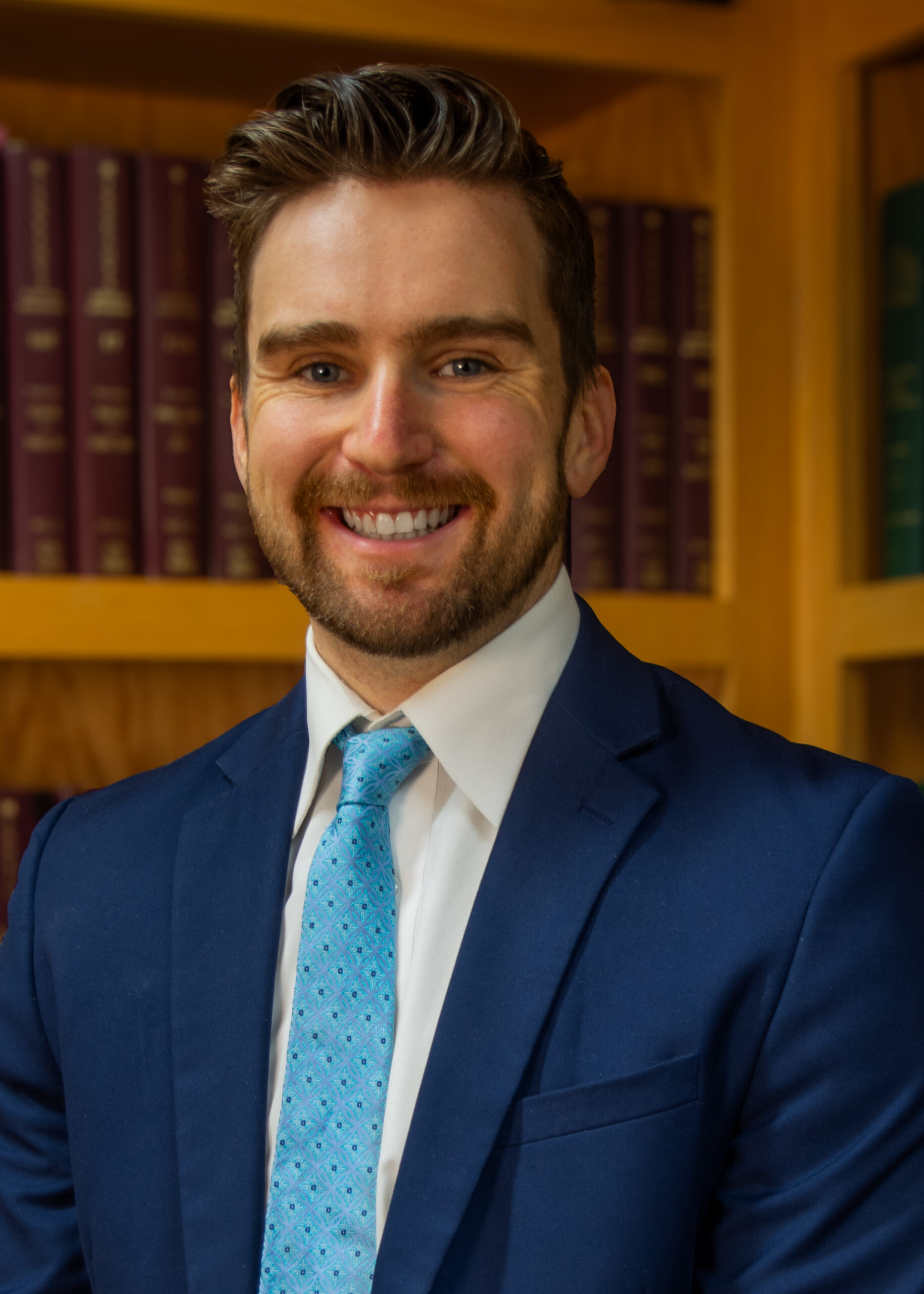
Born and raised in St. Cloud, Minnesota, Sam is thrilled to return to Central Minnesota after passing the bar exam in 2024. Sam's diverse experience spans roles with the Douglas County Attorney’s Office (Civil Division), a Nebraska lobbying firm, Hudl, and the University of Nebraska Civil Clinic. Through these positions, he gained valuable exposure to various areas of law, including civil litigation, policy advocacy, and client counseling. Early in his legal career, Sam is eager to leverage his skills and experiences to deliver effective and personalized legal solutions for BSKK’s clients.
Areas of Practice:
- Business Litigation
- Construction Litigation
- Property Law & Real Estate
- Contract Disputes
- Personal Injury
- Probate/Trust Disputes
- Landlord/Tenant
- Family Law
Education:
- University of Nebraska College of Law, Lincoln, Nebraska, 2024, J.D.
- Concentration in Real Estate and Business Transactions
- North Dakota State University, Fargo, North Dakota, 2019, B.S.
- Honors: Magna Cum Laude
- Majors: Political Science and Management Communication
Bar Admissions:
- Minnesota 2024
Professional Memberships:
- Minnesota State Bar Association
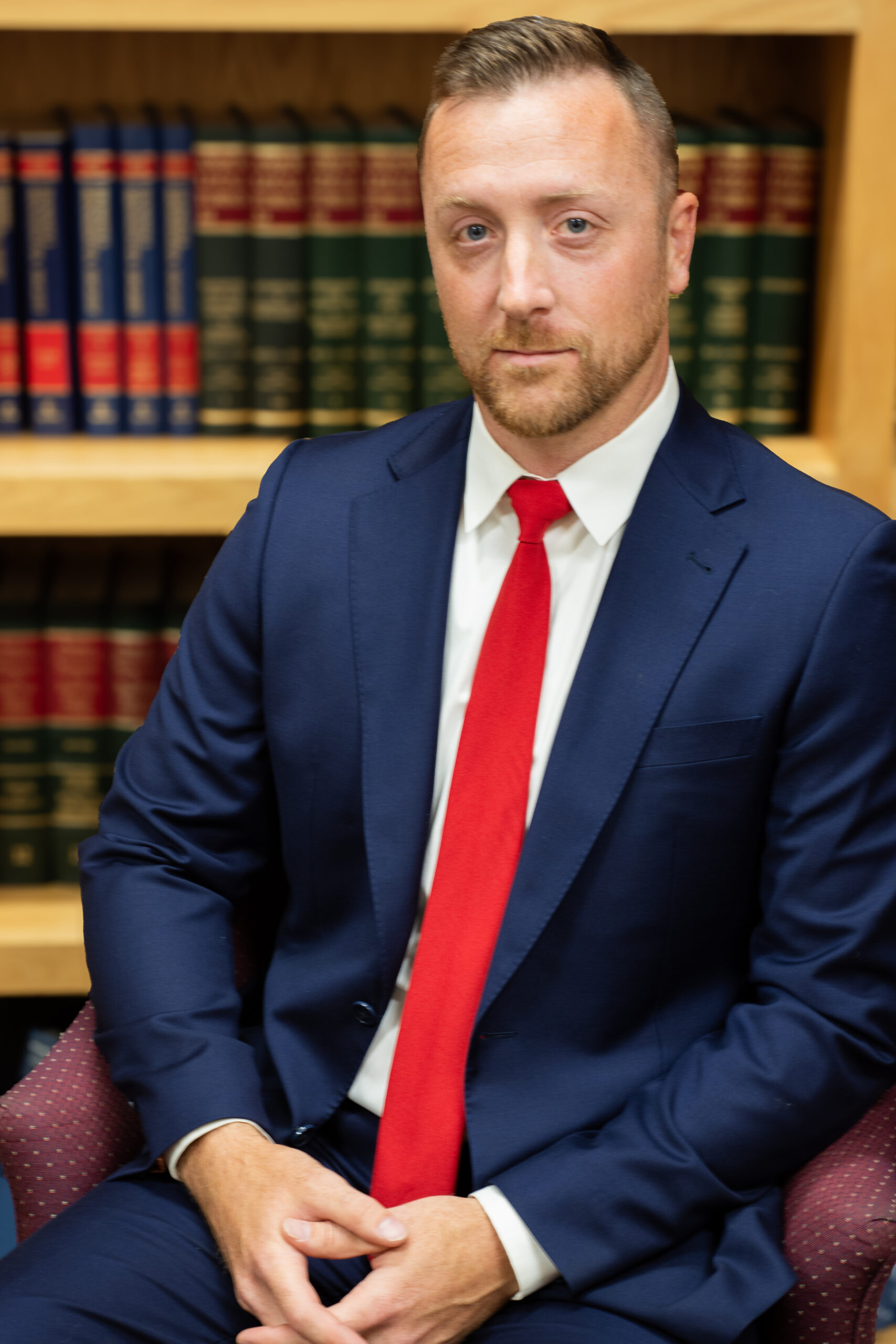
David V. Hurt is a seasoned litigator who has been advocating for individuals, families, and businesses across Minnesota since 2012. His practice is rooted in a practical, results-driven approach that blends strategic litigation with thoughtful dispute resolution. David's clients trust him to navigate complex legal issues with clarity, efficiency, and unwavering commitment.
He began his legal career clerking for the Honorable John G. Melbye in the Ninth Judicial District of Minnesota, where he gained invaluable perspective on trial practice and judicial reasoning. Since then, he has built a diverse portfolio of experience at firms in Minneapolis, Washington, D.C., and Pennsylvania—litigating matters ranging from corporate and construction disputes to aviation claims.
David’s practice spans a wide range of civil matters, including business formation and litigation, real estate and land use disputes, probate and trust litigation, and family law. He is particularly experienced in resolving high-conflict disputes and routinely employs alternative dispute resolution strategies to secure favorable outcomes for his clients while minimizing cost and disruption.
Areas of Practice:
Education:
Bar Admissions:
Professional Affiliations:
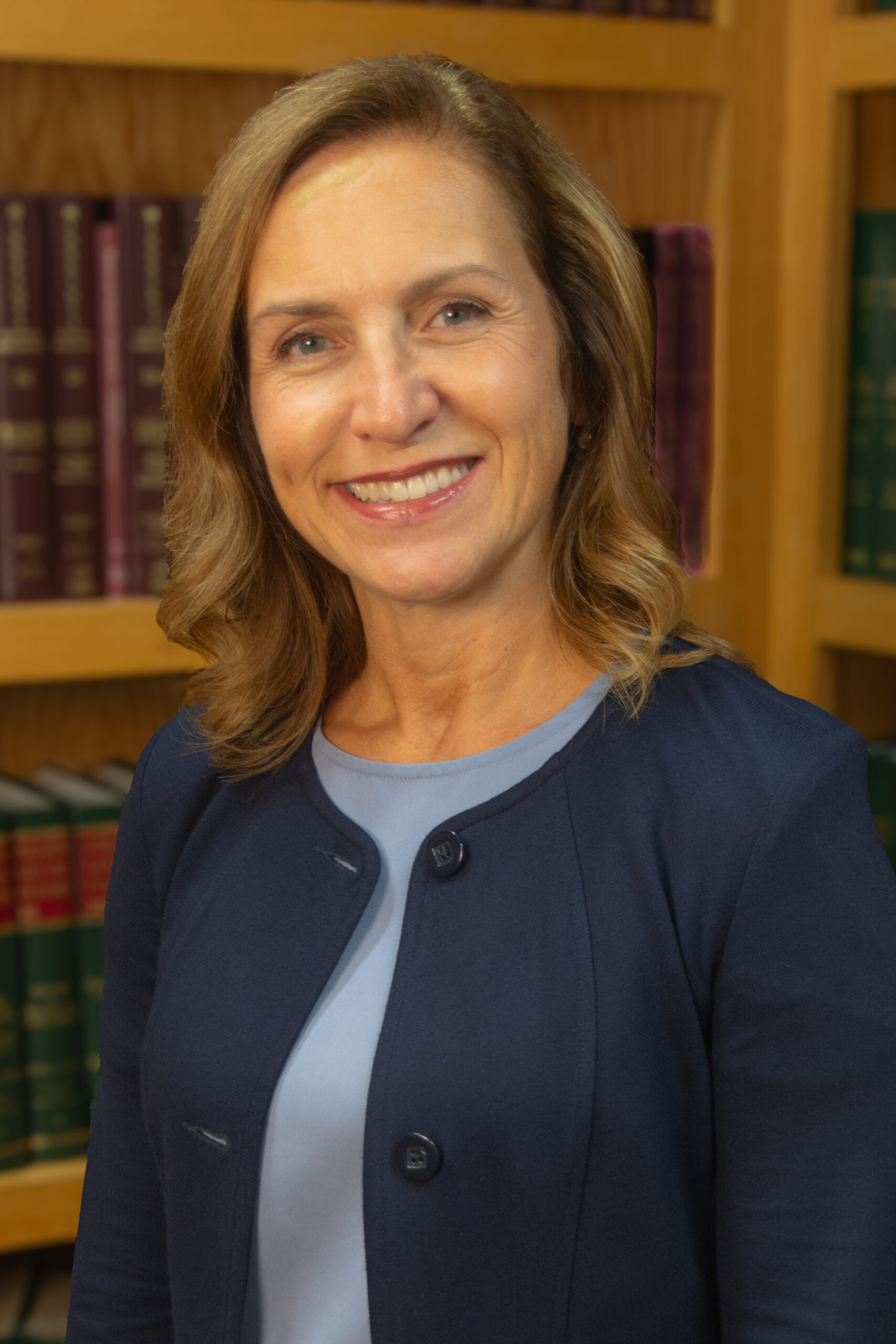
Virginia "Ginny" Knudson represents individuals and businesses in various areas of law, including, estate planning and probate, business and corporate, real estate, and governmental relations. Ginny provides mediation services in divorce and custody, especially for business owners and high wage-earners, as well as for real estate, probate and business disputes. Ginny has been selected as a top attorney by Minnesota Super Lawyer Magazine from for 13 years.
Areas of Practice:
– Estate planning
– Business and corporate
– Real estate and landlord representation
– Probate disputes, guardianships and conservatorships
– Municipal and governmental relations
-- Mediation
Education:
– University of Minnesota Law School, Minneapolis, Minnesota, 1994, J.D.
– Honors: Cum Laude
– University of St. Thomas, Minneapolis, Minnesota, 1991, B.A.
– Honors: Summa Cum Laude
– Honors: Aquinas Scholar
– Major: Economics, Spanish, Minor: Business
Bar Admissions:
– Minnesota, 1994
– U.S. District Court District of Minnesota, 1994
– U.S. Court of Appeals 8th Circuit, 1996
Professional Memberships:
– St. Francis Church Finance Council, 2004–present, Chair and Trustee
- Essentia-St. Joseph's Medical Center, Directors Council, 2020-present
- Lakes Area Music Festival Board, Board Member 2022-present
– Brainerd Area Chamber of Commerce, 2016-2022, Board Member and Chair
– Mount Ski Gull, Board Member, 2014-2019
– Benevolent and Protective Order of Elks, Brainerd Lodge #615
– Zonta International, 1999–2018
– Jaycees, Brainerd, 1998–1999
– Aitkin/Crow Wing County Bar Association, 2000–2001, President
– Aitkin/Crow Wing County Bar Association, 1999–2000, Vice-President
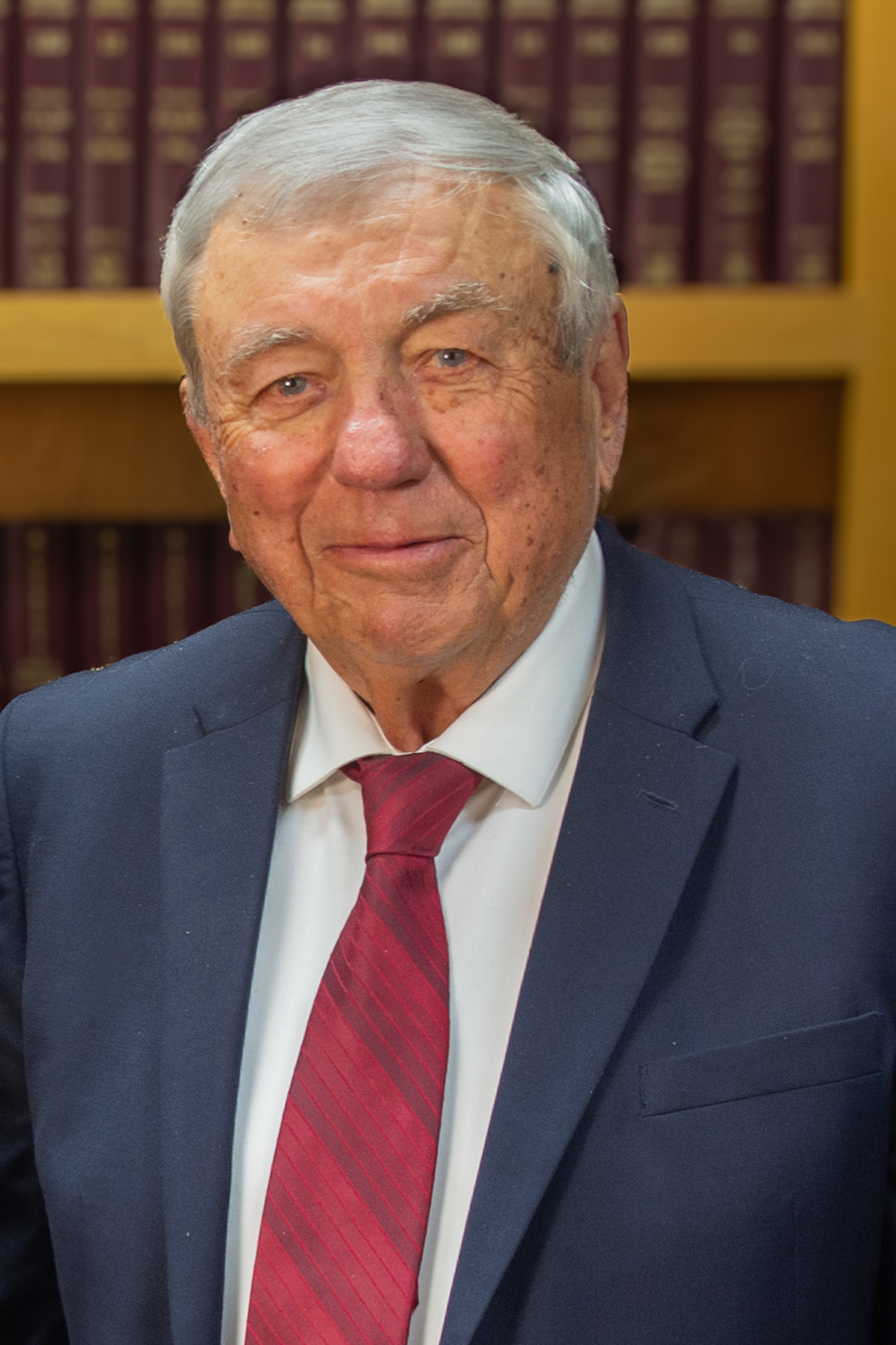
Patrick has been practicing law since 1980, dedicating over 90% of his career to representing personal injury victims and their families, as well as handling a wide range of civil litigation matters. He is a Certified Trial Specialist recognized by the Minnesota Bar Association and was named a leading American attorney in personal injury law by the American Research Corporation. His professional excellence also earned him recognition as a Super Lawyer by Minnesota Law & Politics, placing him among the top six percent of attorneys in Minnesota.
Pat is enjoying a well-deserved retirement after 40+ years of practice. We thank Pat for his years of dedication to the firm and his service to the Brainerd Lakes Area. His legacy is marked by a deep commitment to justice, compassion for clients, and significant contributions to the legal profession.
Areas of Practice (during his active years):
Plaintiff’s Personal Injury
Civil Litigation
Real Estate Litigation
Construction Litigation
Contract Litigation
Mediation and Arbitration
Education:
– University of North Dakota School of Law, Grand Forks, ND – J.D., 1980
- Honors: Graduate of the Year, Bruce Inn
- North Dakota Law Review, 1979–1980
– Concordia College, Moorhead, MN – B.A., 1974
- Major: Business Administration / Hospital Administration
Bar Admissions:
Minnesota, 1980
U.S. District Court, District of Minnesota, 1981
Professional Memberships:
American Bar Association, Member
Minnesota State Bar Association, Member
American Association for Justice, Member
Minnesota Association for Justice, Member
Crow Wing-Aitkin County Bar Association, Past President
Brainerd Area Chamber of Commerce, Past Board Member
Brainerd Jaycees, Past President (1981–1982)
Benevolent and Protective Order of Elks, Brainerd Lodge #615, Past Exalted Ruler
P.O.R.T. Group Home, Past Member, Board of Directors