Legal and physical custody serve different purposes under Minnesota law. Learn how each works and how custody arrangements relate to parenting time.

When parents go through a divorce or separation, figuring out child custody can be one of the more complicated parts of the process. There are several terms involved, and it’s not always clear what each one means.
Two terms that often cause confusion are legal custody and physical custody. While they sound similar, they actually cover different responsibilities when it comes to raising a child.
In Minnesota, legal custody focuses on making important decisions about a child’s life, while physical custody deals with everyday care and living arrangements. Here’s how the two differ and what they mean for parents.
What Is Legal Custody in Minnesota?
Legal custody is about who has the authority to make major decisions regarding a child’s upbringing.
These decisions typically involve education, health care, and religious upbringing. For example, legal custody can determine who has the authority to make decisions about a child’s schooling or certain medical matters.
Minnesota recognizes both sole legal custody and joint legal custody. With sole legal custody, one parent has the authority to make these decisions. With joint legal custody, both parents share that responsibility.
Legal custody doesn’t necessarily have anything to do with where the child lives or how much time they spend with each parent.
What Is Physical Custody in Minnesota?
Physical custody deals with a child’s everyday care and living arrangements.
This includes responsibilities related to providing a home and taking care of the child’s daily needs.
In Minnesota, physical custody can be awarded to one parent or shared between both parents.
While physical custody is closely connected to where a child spends their time, it isn’t quite the same as parenting time. The two terms have different meanings under Minnesota law.
What’s the Difference Between Sole and Joint Legal Custody?
The main difference between sole and joint legal custody is who makes the major decisions.
When one parent has sole legal custody, that parent has the authority to make important decisions about the child’s upbringing.
With joint legal custody, both parents share decision-making responsibilities. This generally includes decisions about education, health care, and religious upbringing.
However, sharing legal custody doesn’t automatically mean parents have an equal parenting schedule.
A child may spend more time living with one parent even when both parents share legal custody.
How Does Sole Physical Custody Compare to Joint Physical Custody?
Physical custody focuses on where a child lives and who is responsible for their routine daily care.
With sole physical custody, one parent generally has primary responsibility for those day-to-day needs, subject to the custody order.
Joint physical custody means both parents share responsibility for the child’s routine daily care and residence.
One thing that sometimes causes confusion is the assumption that joint physical custody always means a child spends exactly half their time with each parent.
That’s not necessarily how it works. Parenting schedules can vary depending on the family’s circumstances and the court order.
Can Parents Share Legal Custody Without Sharing Physical Custody?
Yes. Legal custody and physical custody are separate parts of a custody arrangement, so they don’t always have to be handled the same way.
For example, parents may share joint legal custody while one parent has sole physical custody.
In that situation, both parents may have a say in major decisions about the child’s upbringing, even though the child primarily lives with one parent.
Other combinations are possible as well. The arrangement depends on the circumstances of the family and the court’s determination of the child’s best interests.
How Is Parenting Time Different From Physical Custody?
Parenting time is another term that comes up frequently in Minnesota custody cases.
While physical custody deals with a child’s routine daily care and residence, parenting time refers to the time a parent spends with their child.
A parenting time schedule may include weekdays, weekends, holidays, school breaks, and other arrangements.
A parent can have parenting time even if they don’t have physical custody.
Although parenting time and physical custody are closely related, they aren’t interchangeable. Each addresses a different part of the parent-child relationship.
How Do Minnesota Courts Determine Custody?
When parents can’t reach an agreement about custody, the court may need to make a decision.
In Minnesota, custody decisions are based on what’s known as the best interests of the child.
This means the court considers several factors related to the child’s needs, relationships, and overall well-being.
The court may look at each parent’s involvement in the child’s life, the child’s relationships with family members, and other circumstances that could affect the custody arrangement.
Because every family is different, there isn’t one custody arrangement that applies to every situation.
Does Joint Custody Mean a 50/50 Parenting Schedule?
Not necessarily.
The term joint custody is sometimes misunderstood to mean that a child spends exactly half their time with each parent. But legal custody, physical custody, and parenting time all address different things.
Joint legal custody means parents share responsibility for major decisions.
Joint physical custody means both parents share routine daily care and residence.
Parenting time determines when the child spends time with each parent.
A family may have a joint custody arrangement without an equal parenting schedule. The specific schedule depends on the circumstances and the terms of the court order.
Can Custody Arrangements Change Over Time?
A custody arrangement that was established years ago may not always remain the same.
As children grow older, their needs change. Parents may also experience changes in their living situations, work schedules, or other circumstances.
Minnesota law allows legal and physical custody orders to be modified in certain situations, although specific requirements must be met.
Changes involving custody can also be different from changes to a parenting time schedule.
The legal process depends on the type of modification involved and the existing court order.
Why Does the Difference Between Legal and Physical Custody Matter?
Legal custody and physical custody each define different responsibilities when it comes to raising a child.
Legal custody determines who has the authority to make major decisions. Physical custody addresses everyday care and residence. Parenting time establishes when a parent spends time with their child.
These arrangements can look very different from one family to another.
Some parents share both legal and physical custody, while others have arrangements that divide decision-making and daily care responsibilities differently.
Understanding what each term means helps explain how Minnesota custody arrangements are structured.
Final Thoughts
The biggest difference between legal and physical custody in Minnesota is the type of responsibility each one covers.
Legal custody focuses on major decisions about a child’s upbringing, while physical custody deals with routine daily care and living arrangements. Parenting time is another part of the arrangement that determines when parents spend time with their children.
Although these terms are closely connected, they each have a different role under Minnesota family law.
At Borden, Steinbauer, Krueger & Knudson, P.A., we represent clients in child custody, parenting time, divorce, and other family law matters throughout the Brainerd Lakes Area and greater Minnesota. Learn more about our family law services and how our firm assists Minnesota families.



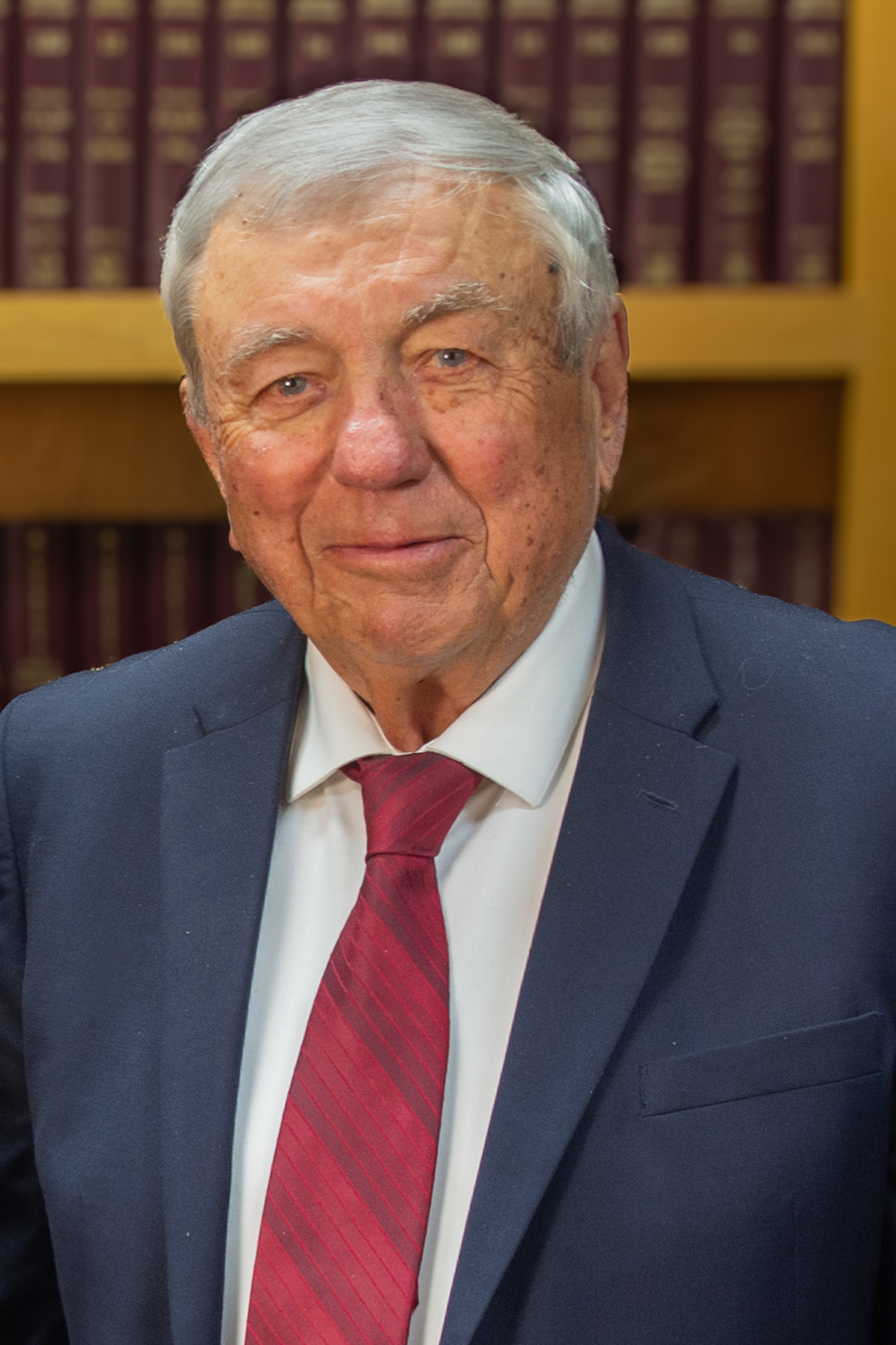
Born and raised in St. Cloud, Minnesota, Sam is thrilled to return to Central Minnesota after passing the bar exam in 2024. Sam's diverse experience spans roles with the Douglas County Attorney’s Office (Civil Division), a Nebraska lobbying firm, Hudl, and the University of Nebraska Civil Clinic. Through these positions, he gained valuable exposure to various areas of law, including civil litigation, policy advocacy, and client counseling. Early in his legal career, Sam is eager to leverage his skills and experiences to deliver effective and personalized legal solutions for BSKK’s clients.
Areas of Practice:
- Business Litigation
- Construction Litigation
- Property Law & Real Estate
- Contract Disputes
- Personal Injury
- Probate/Trust Disputes
- Landlord/Tenant
- Family Law
Education:
- University of Nebraska College of Law, Lincoln, Nebraska, 2024, J.D.
- Concentration in Real Estate and Business Transactions
- North Dakota State University, Fargo, North Dakota, 2019, B.S.
- Honors: Magna Cum Laude
- Majors: Political Science and Management Communication
Bar Admissions:
- Minnesota 2024
Professional Memberships:
- Minnesota State Bar Association
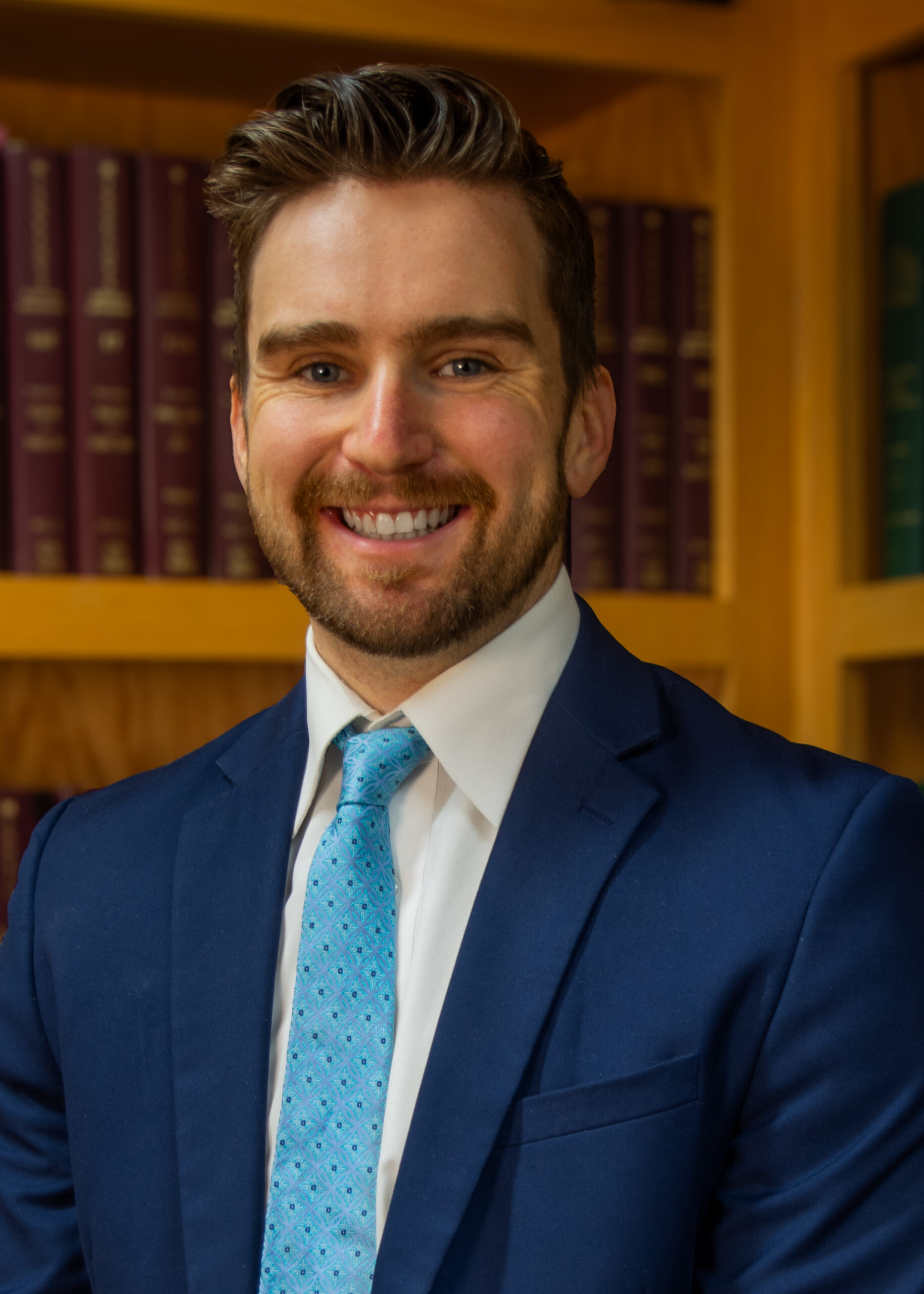
David V. Hurt is a seasoned litigator who has been advocating for individuals, families, and businesses across Minnesota since 2012. His practice is rooted in a practical, results-driven approach that blends strategic litigation with thoughtful dispute resolution. David's clients trust him to navigate complex legal issues with clarity, efficiency, and unwavering commitment.
He began his legal career clerking for the Honorable John G. Melbye in the Ninth Judicial District of Minnesota, where he gained invaluable perspective on trial practice and judicial reasoning. Since then, he has built a diverse portfolio of experience at firms in Minneapolis, Washington, D.C., and Pennsylvania—litigating matters ranging from corporate and construction disputes to aviation claims.
David’s practice spans a wide range of civil matters, including business formation and litigation, real estate and land use disputes, probate and trust litigation, and family law. He is particularly experienced in resolving high-conflict disputes and routinely employs alternative dispute resolution strategies to secure favorable outcomes for his clients while minimizing cost and disruption.
Areas of Practice:
Education:
Bar Admissions:
Professional Affiliations:

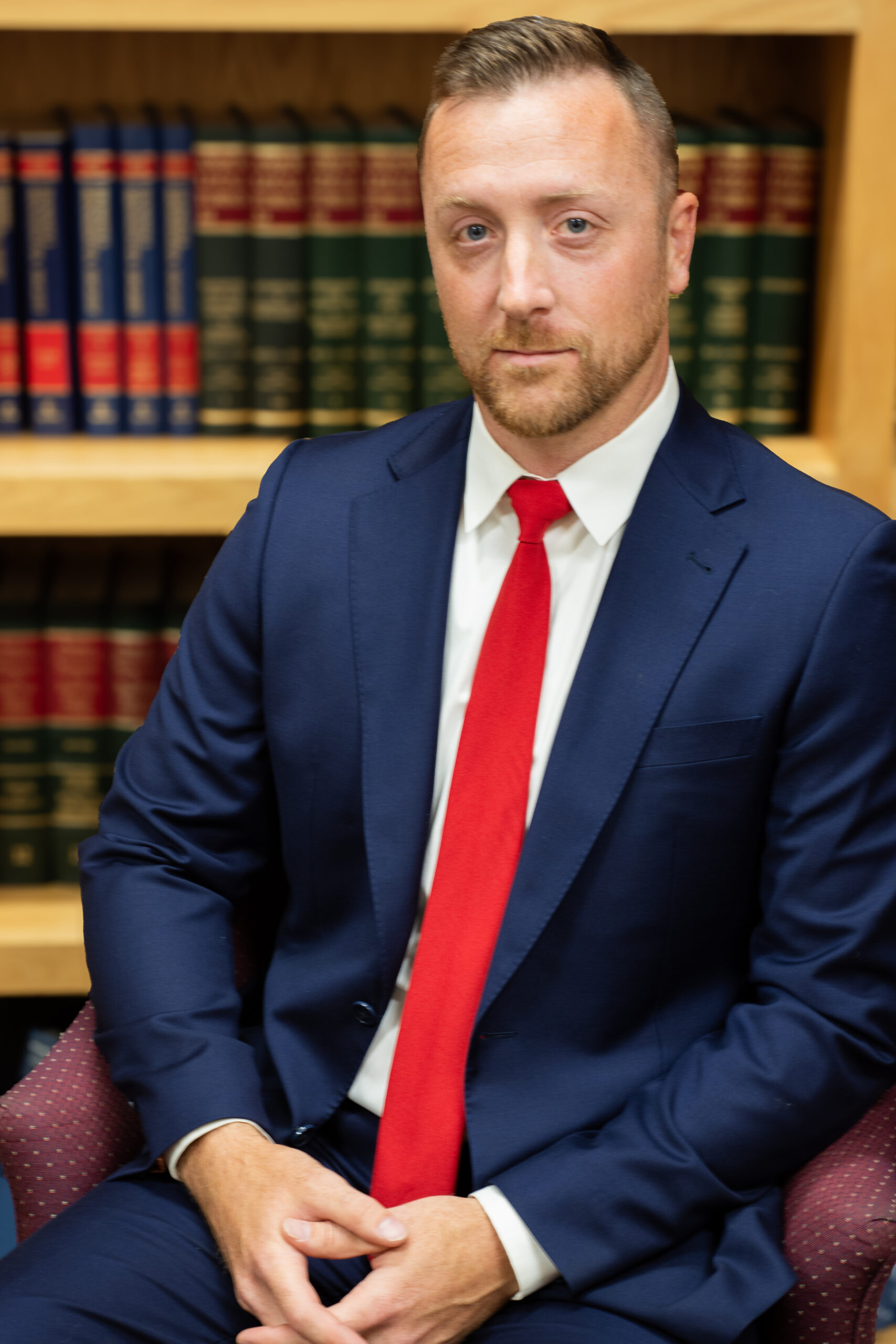
Virginia "Ginny" Knudson represents individuals and businesses in various areas of law, including, estate planning and probate, business and corporate, real estate, and governmental relations. Ginny provides mediation services in divorce and custody, especially for business owners and high wage-earners, as well as for real estate, probate and business disputes. Ginny has been selected as a top attorney by Minnesota Super Lawyer Magazine from for 13 years.
Areas of Practice:
– Estate planning
– Business and corporate
– Real estate and landlord representation
– Probate disputes, guardianships and conservatorships
– Municipal and governmental relations
-- Mediation
Education:
– University of Minnesota Law School, Minneapolis, Minnesota, 1994, J.D.
– Honors: Cum Laude
– University of St. Thomas, Minneapolis, Minnesota, 1991, B.A.
– Honors: Summa Cum Laude
– Honors: Aquinas Scholar
– Major: Economics, Spanish, Minor: Business
Bar Admissions:
– Minnesota, 1994
– U.S. District Court District of Minnesota, 1994
– U.S. Court of Appeals 8th Circuit, 1996
Professional Memberships:
– St. Francis Church Finance Council, 2004–present, Chair and Trustee
- Essentia-St. Joseph's Medical Center, Directors Council, 2020-present
- Lakes Area Music Festival Board, Board Member 2022-present
– Brainerd Area Chamber of Commerce, 2016-2022, Board Member and Chair
– Mount Ski Gull, Board Member, 2014-2019
– Benevolent and Protective Order of Elks, Brainerd Lodge #615
– Zonta International, 1999–2018
– Jaycees, Brainerd, 1998–1999
– Aitkin/Crow Wing County Bar Association, 2000–2001, President
– Aitkin/Crow Wing County Bar Association, 1999–2000, Vice-President
Patrick has been practicing law since 1980, dedicating over 90% of his career to representing personal injury victims and their families, as well as handling a wide range of civil litigation matters. He is a Certified Trial Specialist recognized by the Minnesota Bar Association and was named a leading American attorney in personal injury law by the American Research Corporation. His professional excellence also earned him recognition as a Super Lawyer by Minnesota Law & Politics, placing him among the top six percent of attorneys in Minnesota.
Pat is enjoying a well-deserved retirement after 40+ years of practice. We thank Pat for his years of dedication to the firm and his service to the Brainerd Lakes Area. His legacy is marked by a deep commitment to justice, compassion for clients, and significant contributions to the legal profession.
Areas of Practice (during his active years):
Plaintiff’s Personal Injury
Civil Litigation
Real Estate Litigation
Construction Litigation
Contract Litigation
Mediation and Arbitration
Education:
– University of North Dakota School of Law, Grand Forks, ND – J.D., 1980
- Honors: Graduate of the Year, Bruce Inn
- North Dakota Law Review, 1979–1980
– Concordia College, Moorhead, MN – B.A., 1974
- Major: Business Administration / Hospital Administration
Bar Admissions:
Minnesota, 1980
U.S. District Court, District of Minnesota, 1981
Professional Memberships:
American Bar Association, Member
Minnesota State Bar Association, Member
American Association for Justice, Member
Minnesota Association for Justice, Member
Crow Wing-Aitkin County Bar Association, Past President
Brainerd Area Chamber of Commerce, Past Board Member
Brainerd Jaycees, Past President (1981–1982)
Benevolent and Protective Order of Elks, Brainerd Lodge #615, Past Exalted Ruler
P.O.R.T. Group Home, Past Member, Board of Directors