Mediation and arbitration both offer alternatives to traditional litigation, but they work differently. Learn how each process is used in Minnesota.

Not every legal dispute follows the same path. While some matters make their way through the court system, others are handled through processes like mediation or arbitration.
The two terms are often mentioned together, and it’s easy to see why they can be confused. Both provide a way to address disputes outside of a traditional courtroom trial. But when it comes to how they actually work—and who has a say in the final outcome—there are some important differences.
Here’s a closer look at mediation vs. arbitration in Minnesota and what separates one process from the other.
What Happens in Mediation?
Mediation is centered around conversation. The people involved in the dispute meet with a neutral third party, called a mediator, who helps guide the discussion.
The mediator isn’t there to decide who is right or wrong. Instead, their role is to keep the conversation moving, help clarify the issues, and explore areas where the parties may be able to reach an agreement.
Depending on the situation, everyone may meet together for some or all of the mediation. The mediator may also speak with each side separately during the process.
If the parties are able to reach an agreement, those terms can then be documented as part of the resolution.
How Does Arbitration Work?
Arbitration looks a little different because the neutral third party has a much more direct role in the outcome.
In arbitration, each side presents information about the dispute to an arbitrator. Depending on the matter, that may include documents, testimony, or other information related to the case.
The arbitrator considers what has been presented and makes a decision.
While arbitration takes place outside of a traditional courtroom, this decision-making element gives it a different feel from mediation.
So, What’s the Main Difference?
The biggest distinction between mediation and arbitration comes down to who determines the outcome.
With mediation, the mediator helps facilitate the conversation, but the parties themselves are the ones working toward an agreement.
With arbitration, the parties present the dispute to an arbitrator, who then makes a decision.
That difference is at the heart of how the two processes work.
Why Are Mediation and Arbitration Often Grouped Together?
Mediation and arbitration both fall under the broader category of alternative dispute resolution, often shortened to ADR. This simply refers to methods of addressing legal disputes outside of traditional courtroom litigation.
Even though they share that label, mediation and arbitration aren’t interchangeable. Each follows a different process and gives the neutral third party a different role.
The structure can also vary depending on the type of dispute and the circumstances surrounding the matter.
How Are They Different From Going to Court?
In traditional litigation, a dispute moves through the court system. The process may include filings, hearings, motions, and potentially a trial, with a judge or jury determining the outcome.
Mediation focuses more on discussions between the parties, with a mediator helping facilitate those conversations. Arbitration involves presenting the dispute to an arbitrator for a decision.
All three are ways legal disputes may be addressed, but the process and decision-making structure are different in each one.
Final Thoughts
Mediation and arbitration may sound similar at first, but they serve different roles in dispute resolution. Mediation brings the parties together with a neutral person who helps guide the conversation, while arbitration gives a neutral arbitrator the responsibility of deciding the dispute.
At Borden, Steinbauer, Krueger & Knudson, P.A., we assist clients with mediation, arbitration, and other dispute resolution matters throughout Minnesota.



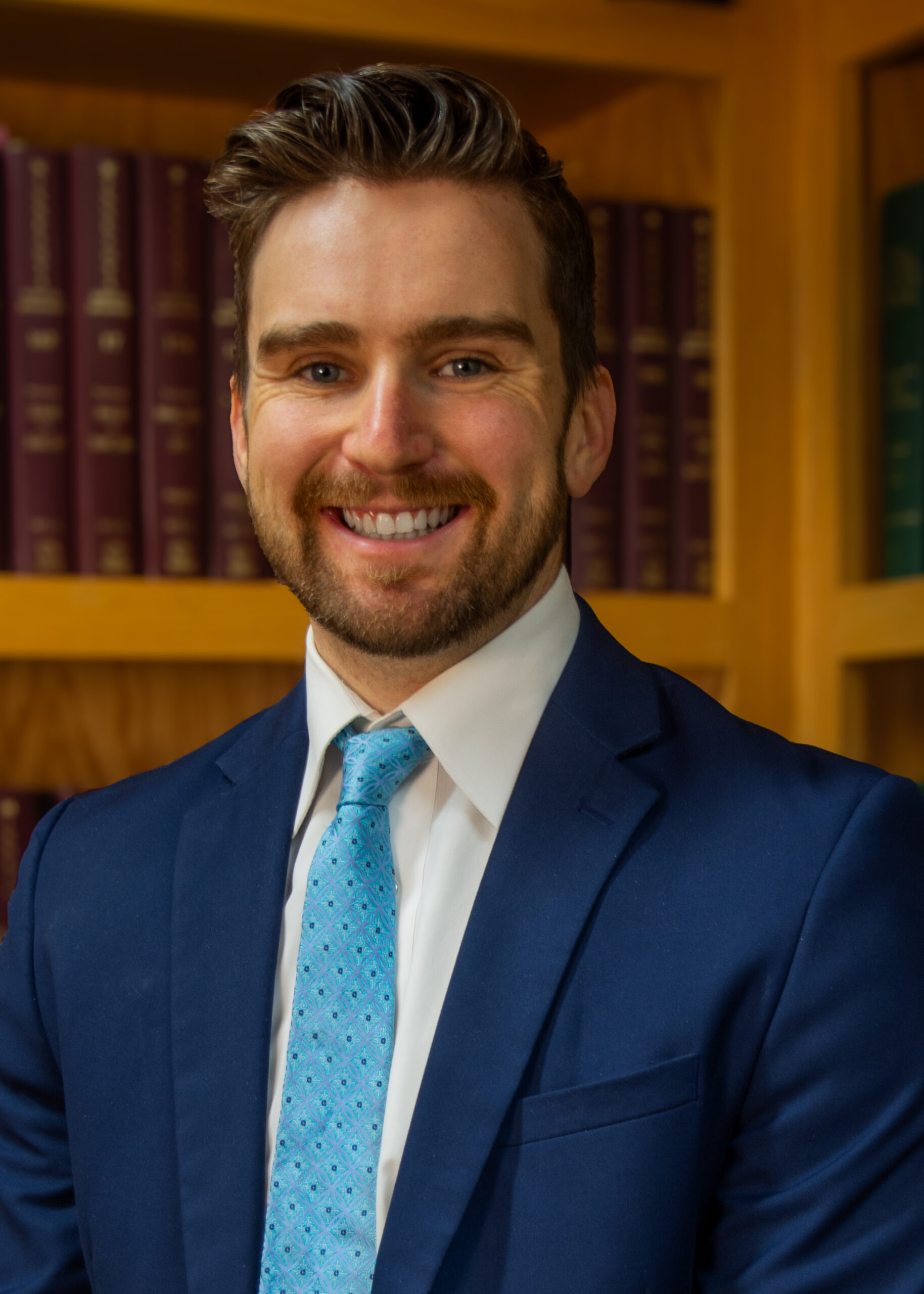
Born and raised in St. Cloud, Minnesota, Sam is thrilled to return to Central Minnesota after passing the bar exam in 2024. Sam's diverse experience spans roles with the Douglas County Attorney’s Office (Civil Division), a Nebraska lobbying firm, Hudl, and the University of Nebraska Civil Clinic. Through these positions, he gained valuable exposure to various areas of law, including civil litigation, policy advocacy, and client counseling. Early in his legal career, Sam is eager to leverage his skills and experiences to deliver effective and personalized legal solutions for BSKK’s clients.
Areas of Practice:
- Business Litigation
- Construction Litigation
- Property Law & Real Estate
- Contract Disputes
- Personal Injury
- Probate/Trust Disputes
- Landlord/Tenant
- Family Law
Education:
- University of Nebraska College of Law, Lincoln, Nebraska, 2024, J.D.
- Concentration in Real Estate and Business Transactions
- North Dakota State University, Fargo, North Dakota, 2019, B.S.
- Honors: Magna Cum Laude
- Majors: Political Science and Management Communication
Bar Admissions:
- Minnesota 2024
Professional Memberships:
- Minnesota State Bar Association
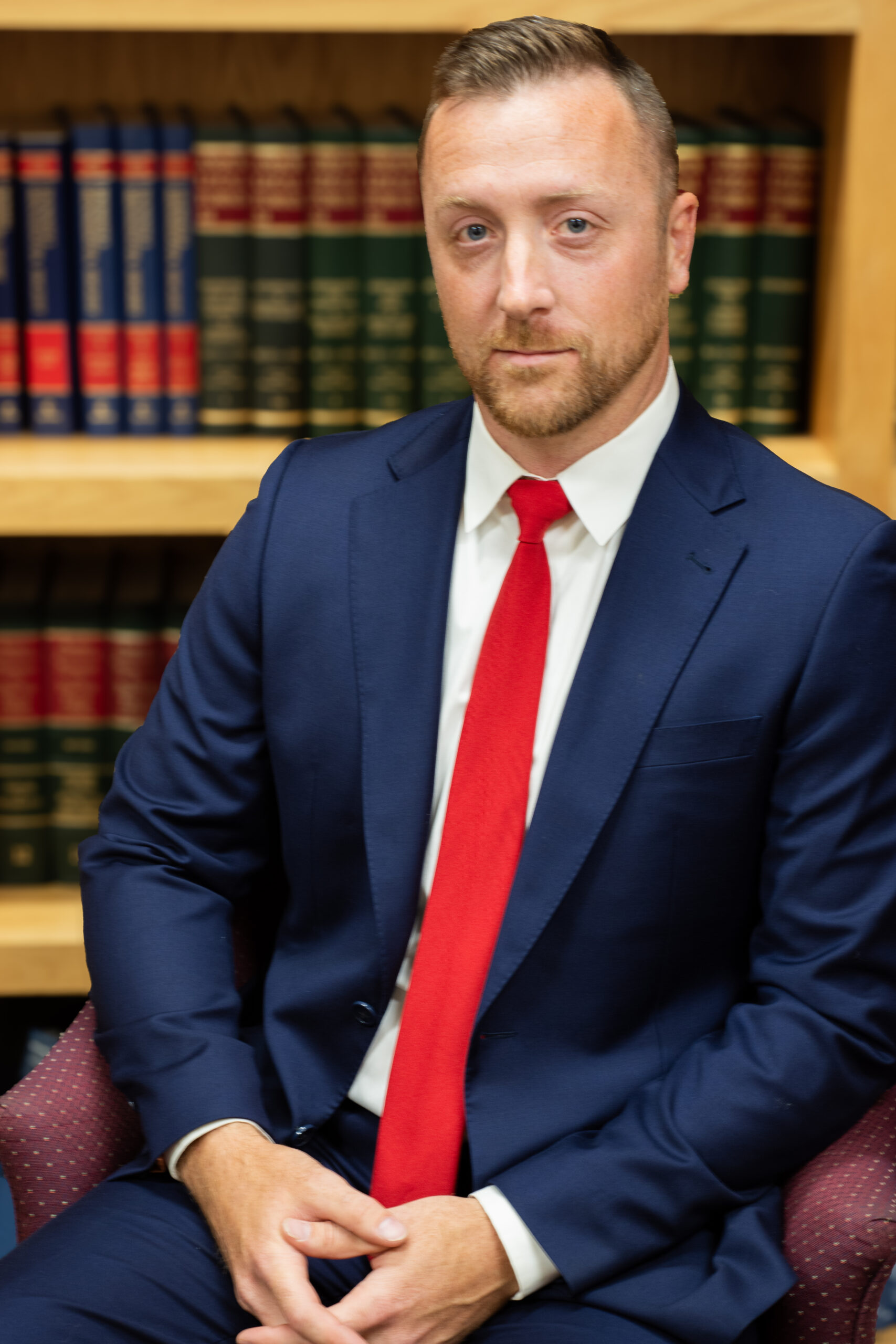
David V. Hurt is a seasoned litigator who has been advocating for individuals, families, and businesses across Minnesota since 2012. His practice is rooted in a practical, results-driven approach that blends strategic litigation with thoughtful dispute resolution. David's clients trust him to navigate complex legal issues with clarity, efficiency, and unwavering commitment.
He began his legal career clerking for the Honorable John G. Melbye in the Ninth Judicial District of Minnesota, where he gained invaluable perspective on trial practice and judicial reasoning. Since then, he has built a diverse portfolio of experience at firms in Minneapolis, Washington, D.C., and Pennsylvania—litigating matters ranging from corporate and construction disputes to aviation claims.
David’s practice spans a wide range of civil matters, including business formation and litigation, real estate and land use disputes, probate and trust litigation, and family law. He is particularly experienced in resolving high-conflict disputes and routinely employs alternative dispute resolution strategies to secure favorable outcomes for his clients while minimizing cost and disruption.
Areas of Practice:
Education:
Bar Admissions:
Professional Affiliations:
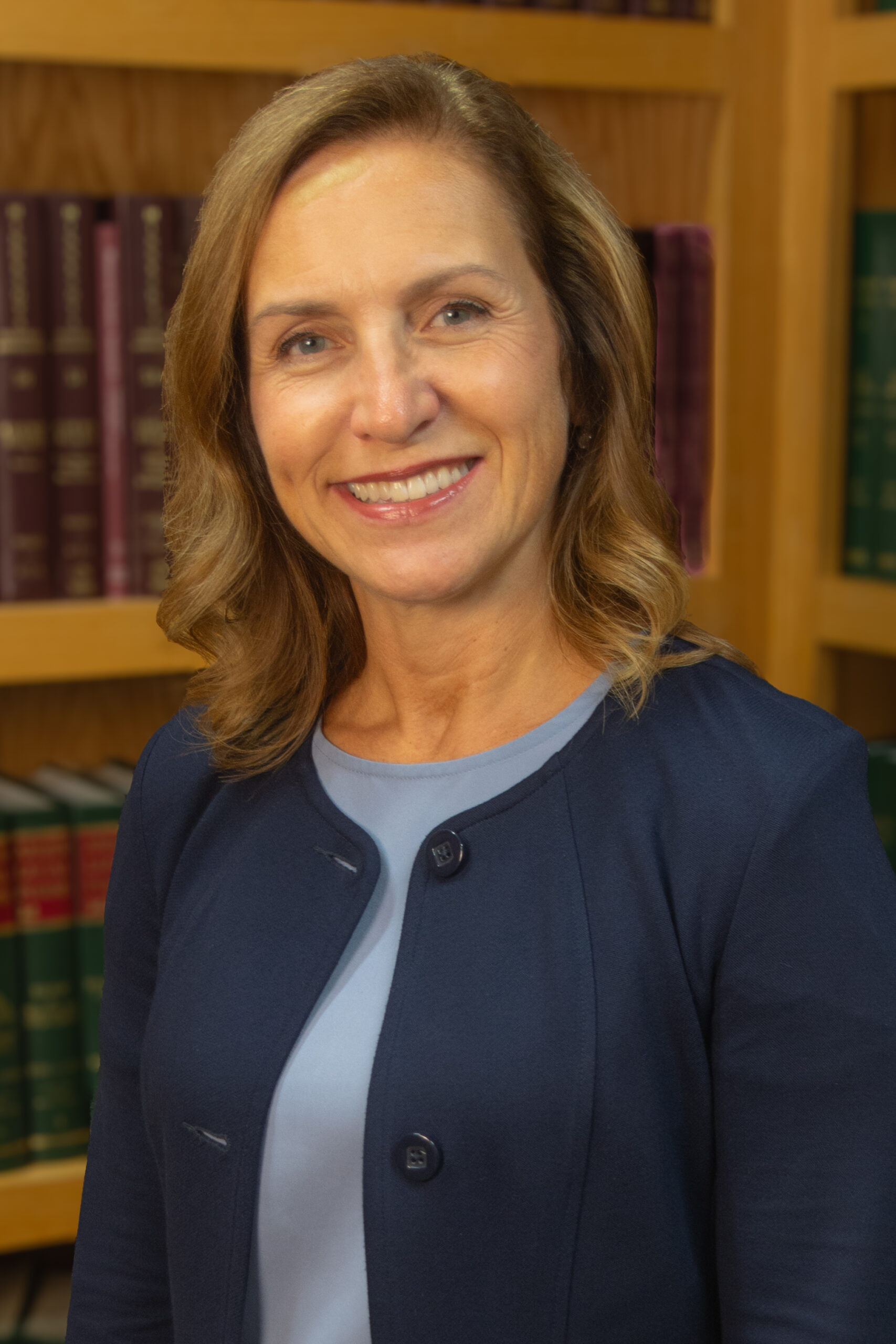
Virginia "Ginny" Knudson represents individuals and businesses in various areas of law, including, estate planning and probate, business and corporate, real estate, and governmental relations. Ginny provides mediation services in divorce and custody, especially for business owners and high wage-earners, as well as for real estate, probate and business disputes. Ginny has been selected as a top attorney by Minnesota Super Lawyer Magazine from for 13 years.
Areas of Practice:
– Estate planning
– Business and corporate
– Real estate and landlord representation
– Probate disputes, guardianships and conservatorships
– Municipal and governmental relations
-- Mediation
Education:
– University of Minnesota Law School, Minneapolis, Minnesota, 1994, J.D.
– Honors: Cum Laude
– University of St. Thomas, Minneapolis, Minnesota, 1991, B.A.
– Honors: Summa Cum Laude
– Honors: Aquinas Scholar
– Major: Economics, Spanish, Minor: Business
Bar Admissions:
– Minnesota, 1994
– U.S. District Court District of Minnesota, 1994
– U.S. Court of Appeals 8th Circuit, 1996
Professional Memberships:
– St. Francis Church Finance Council, 2004–present, Chair and Trustee
- Essentia-St. Joseph's Medical Center, Directors Council, 2020-present
- Lakes Area Music Festival Board, Board Member 2022-present
– Brainerd Area Chamber of Commerce, 2016-2022, Board Member and Chair
– Mount Ski Gull, Board Member, 2014-2019
– Benevolent and Protective Order of Elks, Brainerd Lodge #615
– Zonta International, 1999–2018
– Jaycees, Brainerd, 1998–1999
– Aitkin/Crow Wing County Bar Association, 2000–2001, President
– Aitkin/Crow Wing County Bar Association, 1999–2000, Vice-President
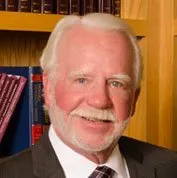
Patrick has been practicing law since 1980, dedicating over 90% of his career to representing personal injury victims and their families, as well as handling a wide range of civil litigation matters. He is a Certified Trial Specialist recognized by the Minnesota Bar Association and was named a leading American attorney in personal injury law by the American Research Corporation. His professional excellence also earned him recognition as a Super Lawyer by Minnesota Law & Politics, placing him among the top six percent of attorneys in Minnesota.
Pat is enjoying a well-deserved retirement after 40+ years of practice. We thank Pat for his years of dedication to the firm and his service to the Brainerd Lakes Area. His legacy is marked by a deep commitment to justice, compassion for clients, and significant contributions to the legal profession.
Areas of Practice (during his active years):
Plaintiff’s Personal Injury
Civil Litigation
Real Estate Litigation
Construction Litigation
Contract Litigation
Mediation and Arbitration
Education:
– University of North Dakota School of Law, Grand Forks, ND – J.D., 1980
- Honors: Graduate of the Year, Bruce Inn
- North Dakota Law Review, 1979–1980
– Concordia College, Moorhead, MN – B.A., 1974
- Major: Business Administration / Hospital Administration
Bar Admissions:
Minnesota, 1980
U.S. District Court, District of Minnesota, 1981
Professional Memberships:
American Bar Association, Member
Minnesota State Bar Association, Member
American Association for Justice, Member
Minnesota Association for Justice, Member
Crow Wing-Aitkin County Bar Association, Past President
Brainerd Area Chamber of Commerce, Past Board Member
Brainerd Jaycees, Past President (1981–1982)
Benevolent and Protective Order of Elks, Brainerd Lodge #615, Past Exalted Ruler
P.O.R.T. Group Home, Past Member, Board of Directors