How is child support calculated in Minnesota? Learn how parental income, parenting time, and child-related expenses factor into the state’s guidelines.

Child support is often one of the biggest financial questions that comes up when parents separate or divorce. How much will one parent pay? Does the amount depend on income? And does the time each parent spends with their child make a difference?
In Minnesota, child support isn’t based on one flat amount or a simple percentage of someone’s paycheck. Instead, the state uses guidelines that take several factors into account, including both parents’ incomes, the number of children, and certain expenses involved in raising them.
So, how is child support calculated in Minnesota? Here’s a closer look at what goes into determining the amount.
How Does Minnesota Determine Child Support?
Minnesota uses what’s known as an income shares model to calculate child support. Rather than focusing only on the income of the parent making payments, this model considers the incomes of both parents.
The calculation starts by looking at each parent’s income under Minnesota’s child support rules. After certain adjustments, those amounts are combined to determine what’s called parental income for determining child support, or PICS.
Each parent’s share of that combined income helps establish how the child support obligation is divided.
The number of joint children and other factors outlined in Minnesota law also play a role in determining the final amount.
What Counts as Income for Child Support?
When it comes to child support in Minnesota, income can include more than just a regular salary.
Wages, commissions, bonuses, and certain other sources of income may all be part of the calculation. For parents who are self-employed, income may be determined differently than it would be for someone receiving a traditional paycheck.
Minnesota law outlines which types of income are included and how certain amounts are treated when calculating child support.
Because income can come from different sources, the financial information involved in one case may look quite different from another.
What Does Child Support Cover in Minnesota?
Child support isn’t limited to one category of expenses. Minnesota law divides it into three main areas: basic support, medical support, and child care support.
Each covers a different part of the financial responsibilities associated with raising a child.
Basic Support
Basic support covers everyday living expenses associated with a child, such as food, housing, clothing, and transportation.
Minnesota’s child support guidelines use the parents’ combined income and the number of joint children to establish a basic support amount before any applicable adjustments.
Medical Support
Medical support deals with certain healthcare expenses, including medical and dental insurance coverage.
It can also address how uninsured or unreimbursed healthcare expenses are divided between parents.
The details depend on factors such as available insurance coverage, its cost, and the circumstances involved.
Child Care Support
Child care support addresses qualifying child care expenses connected to employment or education.
For example, child care costs associated with a parent’s work schedule may be included in the overall support calculation.
The amount depends on the qualifying expenses and how Minnesota’s child support rules apply to the situation.
Does Parenting Time Affect Child Support?
Yes, parenting time can affect child support in Minnesota.
Parenting time refers to the time a child spends with each parent. While it’s separate from child support, Minnesota’s guidelines include a parenting expense adjustment that takes court-ordered parenting time into account when calculating basic support.
This means two families with similar incomes and the same number of children may still have different support amounts because of their parenting time arrangements.
Parenting time is one of several factors that can influence the overall calculation.
Does the Number of Children Make a Difference?
The number of joint children included in a child support case is another part of determining the amount.
Minnesota’s guidelines use the parents’ combined income and the number of joint children to establish the starting basic support obligation.
As a result, a calculation involving one child will generally look different from one involving multiple children.
Other legally recognized support obligations can also affect certain parts of the calculation.
What If One Parent Makes More Money?
It’s common for parents to have different incomes, and Minnesota’s income shares model takes those differences into account.
When one parent earns more than the other, that affects how much of the combined parental income is attributed to each parent.
However, income isn’t the only part of the equation. Parenting time, medical expenses, child care costs, and other applicable adjustments can also influence the final support obligation.
That’s why Minnesota child support calculations can vary even between families with similar income levels.
Can Child Support Change?
Child support amounts aren’t necessarily permanent.
Over time, a parent’s income, employment situation, parenting time arrangement, or other circumstances may change. Those changes can sometimes become part of a request to modify an existing child support order.
Minnesota law establishes specific standards for modifying child support. A change in circumstances doesn’t automatically change the amount required under an existing order.
The process for modifying child support is separate from the original calculation.
How Long Does Child Support Last in Minnesota?
Another common question is when child support payments end.
In Minnesota, child support generally continues until a child turns 18. However, the obligation may continue beyond that age in certain circumstances.
For example, support may continue for an unmarried child who is still attending secondary school, subject to the age limits established under Minnesota law.
The terms of a court order and other applicable legal provisions can also affect how long support continues.
Why Are Child Support Amounts Different for Every Family?
Even when families have similar circumstances, their child support amounts may not be the same.
One family might have different income levels, while another may have higher child care expenses or a different parenting time arrangement. Health insurance costs and other factors can also affect the calculation.
Rather than relying on a single number, Minnesota child support guidelines bring several pieces of information together to determine the obligation.
Final Thoughts
Child support in Minnesota is calculated using guidelines that consider both parents’ incomes, the number of joint children, parenting time, and certain expenses related to raising a child.
Basic support, medical support, and child care support can all be part of the calculation. Because every family’s circumstances are different, the final child support amount can vary from one case to another.
At Borden, Steinbauer, Krueger & Knudson, P.A., we represent clients in child support, child custody, divorce, and other family law matters throughout the Brainerd Lakes Area and greater Minnesota.



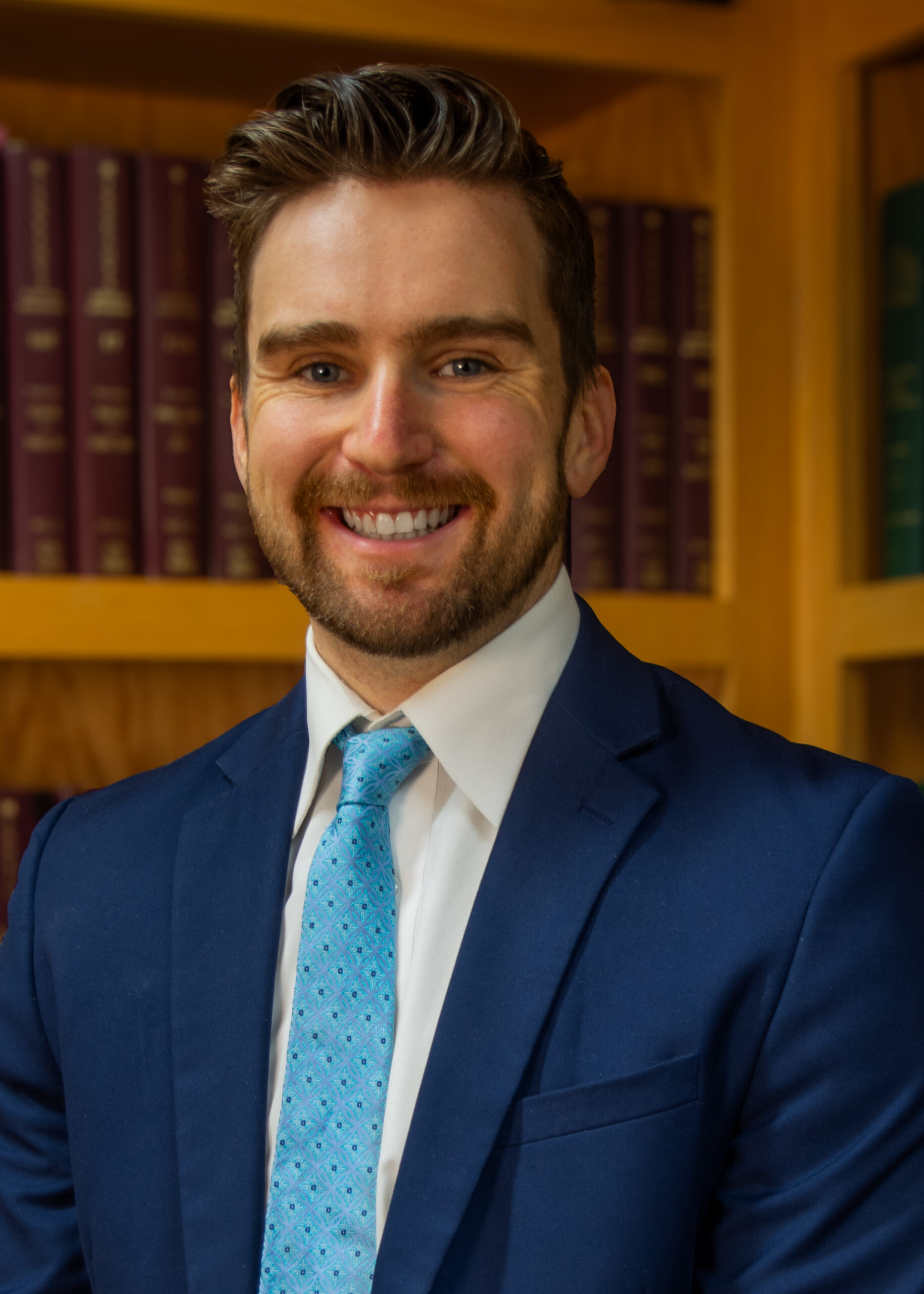
Born and raised in St. Cloud, Minnesota, Sam is thrilled to return to Central Minnesota after passing the bar exam in 2024. Sam's diverse experience spans roles with the Douglas County Attorney’s Office (Civil Division), a Nebraska lobbying firm, Hudl, and the University of Nebraska Civil Clinic. Through these positions, he gained valuable exposure to various areas of law, including civil litigation, policy advocacy, and client counseling. Early in his legal career, Sam is eager to leverage his skills and experiences to deliver effective and personalized legal solutions for BSKK’s clients.
Areas of Practice:
- Business Litigation
- Construction Litigation
- Property Law & Real Estate
- Contract Disputes
- Personal Injury
- Probate/Trust Disputes
- Landlord/Tenant
- Family Law
Education:
- University of Nebraska College of Law, Lincoln, Nebraska, 2024, J.D.
- Concentration in Real Estate and Business Transactions
- North Dakota State University, Fargo, North Dakota, 2019, B.S.
- Honors: Magna Cum Laude
- Majors: Political Science and Management Communication
Bar Admissions:
- Minnesota 2024
Professional Memberships:
- Minnesota State Bar Association

David V. Hurt is a seasoned litigator who has been advocating for individuals, families, and businesses across Minnesota since 2012. His practice is rooted in a practical, results-driven approach that blends strategic litigation with thoughtful dispute resolution. David's clients trust him to navigate complex legal issues with clarity, efficiency, and unwavering commitment.
He began his legal career clerking for the Honorable John G. Melbye in the Ninth Judicial District of Minnesota, where he gained invaluable perspective on trial practice and judicial reasoning. Since then, he has built a diverse portfolio of experience at firms in Minneapolis, Washington, D.C., and Pennsylvania—litigating matters ranging from corporate and construction disputes to aviation claims.
David’s practice spans a wide range of civil matters, including business formation and litigation, real estate and land use disputes, probate and trust litigation, and family law. He is particularly experienced in resolving high-conflict disputes and routinely employs alternative dispute resolution strategies to secure favorable outcomes for his clients while minimizing cost and disruption.
Areas of Practice:
Education:
Bar Admissions:
Professional Affiliations:
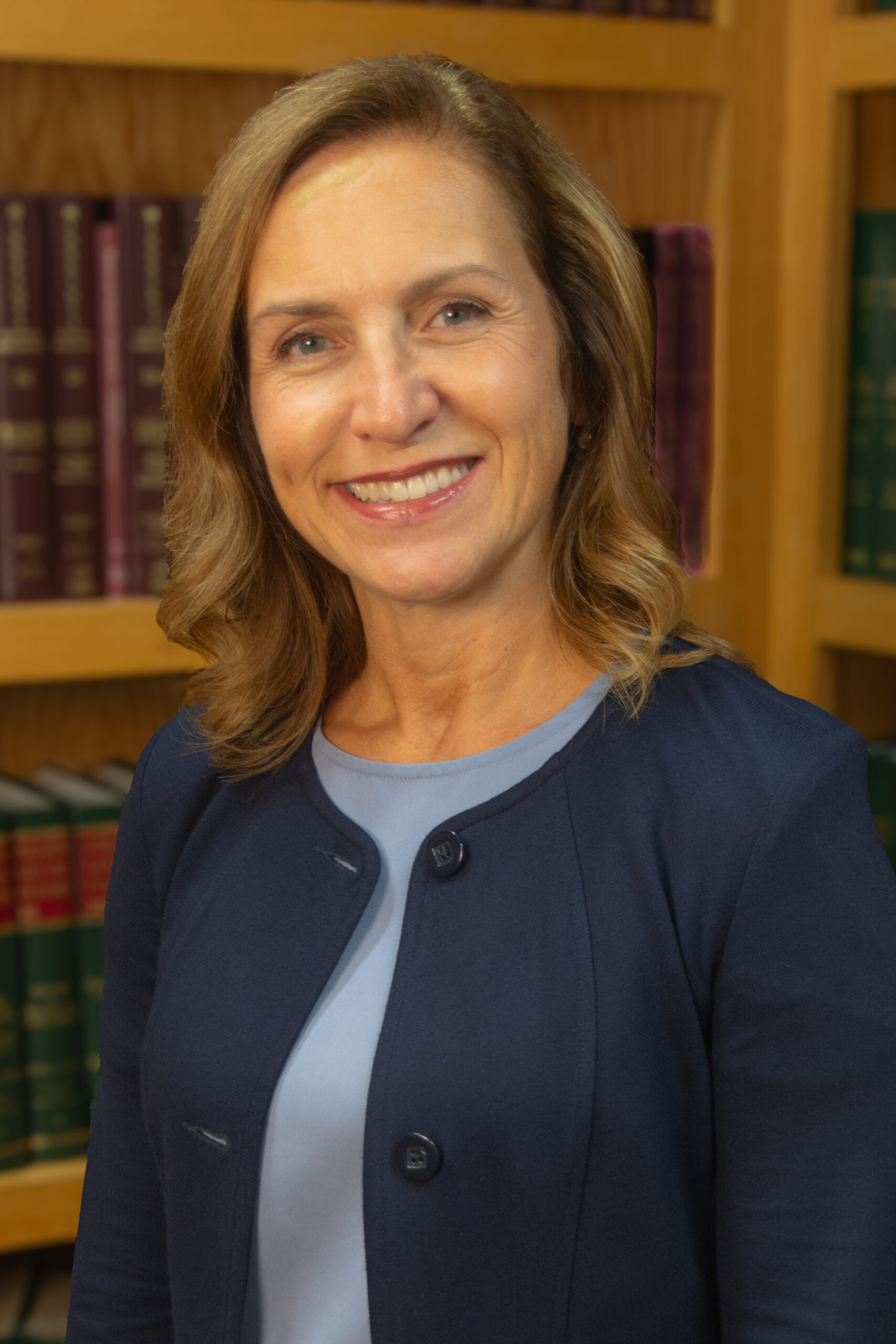
Virginia "Ginny" Knudson represents individuals and businesses in various areas of law, including, estate planning and probate, business and corporate, real estate, and governmental relations. Ginny provides mediation services in divorce and custody, especially for business owners and high wage-earners, as well as for real estate, probate and business disputes. Ginny has been selected as a top attorney by Minnesota Super Lawyer Magazine from for 13 years.
Areas of Practice:
– Estate planning
– Business and corporate
– Real estate and landlord representation
– Probate disputes, guardianships and conservatorships
– Municipal and governmental relations
-- Mediation
Education:
– University of Minnesota Law School, Minneapolis, Minnesota, 1994, J.D.
– Honors: Cum Laude
– University of St. Thomas, Minneapolis, Minnesota, 1991, B.A.
– Honors: Summa Cum Laude
– Honors: Aquinas Scholar
– Major: Economics, Spanish, Minor: Business
Bar Admissions:
– Minnesota, 1994
– U.S. District Court District of Minnesota, 1994
– U.S. Court of Appeals 8th Circuit, 1996
Professional Memberships:
– St. Francis Church Finance Council, 2004–present, Chair and Trustee
- Essentia-St. Joseph's Medical Center, Directors Council, 2020-present
- Lakes Area Music Festival Board, Board Member 2022-present
– Brainerd Area Chamber of Commerce, 2016-2022, Board Member and Chair
– Mount Ski Gull, Board Member, 2014-2019
– Benevolent and Protective Order of Elks, Brainerd Lodge #615
– Zonta International, 1999–2018
– Jaycees, Brainerd, 1998–1999
– Aitkin/Crow Wing County Bar Association, 2000–2001, President
– Aitkin/Crow Wing County Bar Association, 1999–2000, Vice-President
Patrick has been practicing law since 1980, dedicating over 90% of his career to representing personal injury victims and their families, as well as handling a wide range of civil litigation matters. He is a Certified Trial Specialist recognized by the Minnesota Bar Association and was named a leading American attorney in personal injury law by the American Research Corporation. His professional excellence also earned him recognition as a Super Lawyer by Minnesota Law & Politics, placing him among the top six percent of attorneys in Minnesota.
Pat is enjoying a well-deserved retirement after 40+ years of practice. We thank Pat for his years of dedication to the firm and his service to the Brainerd Lakes Area. His legacy is marked by a deep commitment to justice, compassion for clients, and significant contributions to the legal profession.
Areas of Practice (during his active years):
Plaintiff’s Personal Injury
Civil Litigation
Real Estate Litigation
Construction Litigation
Contract Litigation
Mediation and Arbitration
Education:
– University of North Dakota School of Law, Grand Forks, ND – J.D., 1980
- Honors: Graduate of the Year, Bruce Inn
- North Dakota Law Review, 1979–1980
– Concordia College, Moorhead, MN – B.A., 1974
- Major: Business Administration / Hospital Administration
Bar Admissions:
Minnesota, 1980
U.S. District Court, District of Minnesota, 1981
Professional Memberships:
American Bar Association, Member
Minnesota State Bar Association, Member
American Association for Justice, Member
Minnesota Association for Justice, Member
Crow Wing-Aitkin County Bar Association, Past President
Brainerd Area Chamber of Commerce, Past Board Member
Brainerd Jaycees, Past President (1981–1982)
Benevolent and Protective Order of Elks, Brainerd Lodge #615, Past Exalted Ruler
P.O.R.T. Group Home, Past Member, Board of Directors