Easements can affect access and other rights connected to real estate. Learn what an easement means and how easement rights work in Minnesota.
Owning property usually comes with a clear set of rights, but sometimes another person or entity has certain rights connected to that same land. One of the most common examples is an easement.
You may have heard the term in connection with a driveway, utility line, access road, or neighboring property. But what is an easement in Minnesota, and what does it actually mean for the property involved?
Simply put, an easement allows someone to use another person’s property for a specific purpose without owning that property. Easements can take several forms, and the rights involved depend on how the easement was created and what it allows.
How Does an Easement Work?
An easement gives a person or entity a particular right to use land owned by someone else.
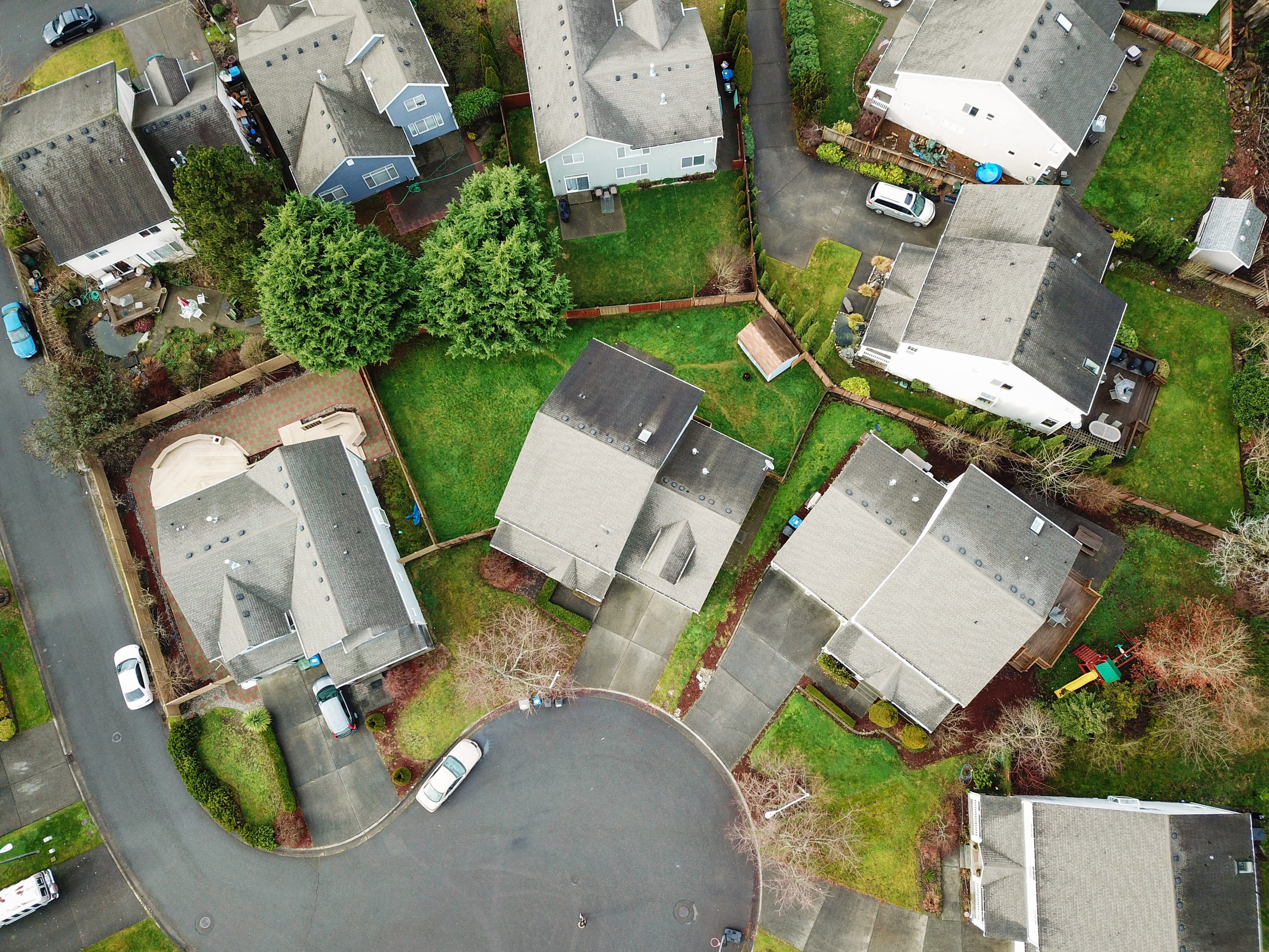
A familiar example is a driveway that crosses one property to reach another. The person using the driveway doesn’t own the land it crosses, but an easement may give them the right to travel across it.
The property owner still owns the land. The easement simply creates certain rights involving how a portion of that land can be used.
That’s an important distinction when talking about easement rights in Minnesota: the right to use property and ownership of that property are two different things.
What Are Common Types of Easements?
Easements can exist for many reasons, and they’re not unusual in residential, commercial, and rural real estate.
Access easements are one example. These can allow someone to cross a neighboring property to reach a road, another parcel of land, or another destination.
Utility easements are also common. They may allow a utility provider to access part of a property for power lines, water lines, telecommunications equipment, or other infrastructure.
Other easements may involve driveways, roads, or rights that are connected to neighboring properties.
The details can look very different from one property to the next.
How Are Easements Created in Minnesota?
An easement can be created in several ways.
Some are established through written agreements or recorded property documents. These are generally known as express easements. The document creating the easement typically describes the rights involved and the property affected.
Minnesota law also recognizes situations in which easement rights can arise in other ways. Because of that, questions about an easement can sometimes involve both property records and the history of how the land has been used.
Does an Easement Mean Someone Else Owns Part of the Property?
No. An easement generally doesn’t give the person using the land ownership of it.
For example, a neighboring property owner may have an easement allowing access across a driveway. That doesn’t mean the neighbor owns the driveway or the land beneath it. Instead, the easement establishes a particular right to use that area.
The difference between ownership and use rights is at the center of many questions involving Minnesota easements.
What Happens to an Easement When Property Is Sold?
Property can change hands many times while an easement remains connected to the land.
Depending on the type of easement and how it was established, easement rights may continue after a property is sold. This means an easement created long before the current owner purchased the property can still affect how part of the land is used.
Recorded easements can also appear as part of a property’s title history, along with deeds, mortgages, liens, and other recorded interests.
What Is an Easement Dispute?
An easement dispute in Minnesota can develop when property owners disagree about the rights connected to an easement.
Sometimes the disagreement is about whether an easement exists at all. In other cases, everyone may agree that an easement exists but disagree about where it is located or what it allows.
For example, a dispute could involve the width or location of an access area, the way the property is being used, or the meaning of language in an easement document.
Because easements can have a long history, these disputes may involve documents and property records that were created years before the current owners became involved.
Easements and Property Boundaries Are Different
Easements and property boundary disputes are often discussed together, but they deal with different property rights.
A boundary determines where one parcel of land ends and another begins.
An easement doesn’t necessarily change that boundary. Instead, it gives someone certain rights to use land that may belong to another property owner.
The two issues can overlap, however. A disagreement about the location of a property line may also affect questions about where an easement is located or how a particular area has historically been used.
Why Can Easement Disputes Involve So Many Records?
Real estate has a history, and that history doesn’t disappear when a new owner purchases the property.
An easement may have been created decades ago. A property could have changed owners several times since then, and the way the land is physically used may have changed along the way.
As a result, an easement dispute can involve deeds, surveys, title records, easement documents, property descriptions, and information about the historical use of the land.
Those records can help tell the story of how the easement came to exist and what rights are connected to it.
Easements Can Look Very Different From Property to Property
There isn’t one standard easement that applies to every piece of real estate.
One property may have an easement involving a shared driveway. Another may have utility access running across part of the land. In Minnesota’s lake country, questions may also involve access routes and neighboring parcels.
Even when two easements serve a similar purpose, the actual rights involved can differ based on the property and how each easement was established.
Final Thoughts
An easement in Minnesota generally gives a person or entity the right to use another person’s property for a particular purpose without giving them ownership of the land.
Easements can involve driveways, utilities, access, neighboring properties, and other uses of real estate. They can also become the subject of a property dispute when there are questions about whether an easement exists, where it’s located, or what rights it includes.
Borden, Steinbauer, Krueger & Knudson, P.A. represents clients in easement and boundary disputes and other real estate and property law matters throughout the Brainerd Lakes Area and greater Minnesota.

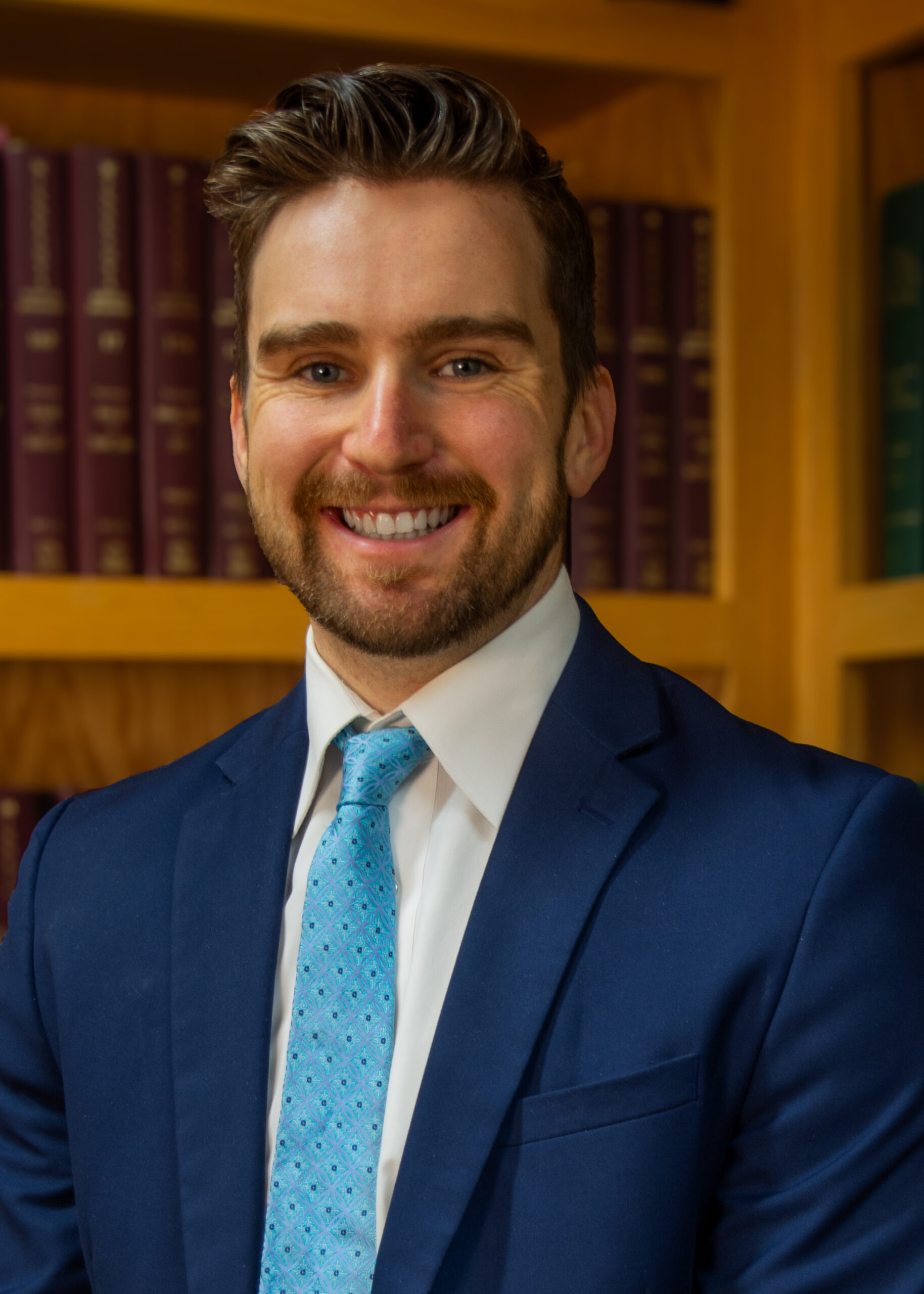
Born and raised in St. Cloud, Minnesota, Sam is thrilled to return to Central Minnesota after passing the bar exam in 2024. Sam's diverse experience spans roles with the Douglas County Attorney’s Office (Civil Division), a Nebraska lobbying firm, Hudl, and the University of Nebraska Civil Clinic. Through these positions, he gained valuable exposure to various areas of law, including civil litigation, policy advocacy, and client counseling. Early in his legal career, Sam is eager to leverage his skills and experiences to deliver effective and personalized legal solutions for BSKK’s clients.
Areas of Practice:
- Business Litigation
- Construction Litigation
- Property Law & Real Estate
- Contract Disputes
- Personal Injury
- Probate/Trust Disputes
- Landlord/Tenant
- Family Law
Education:
- University of Nebraska College of Law, Lincoln, Nebraska, 2024, J.D.
- Concentration in Real Estate and Business Transactions
- North Dakota State University, Fargo, North Dakota, 2019, B.S.
- Honors: Magna Cum Laude
- Majors: Political Science and Management Communication
Bar Admissions:
- Minnesota 2024
Professional Memberships:
- Minnesota State Bar Association
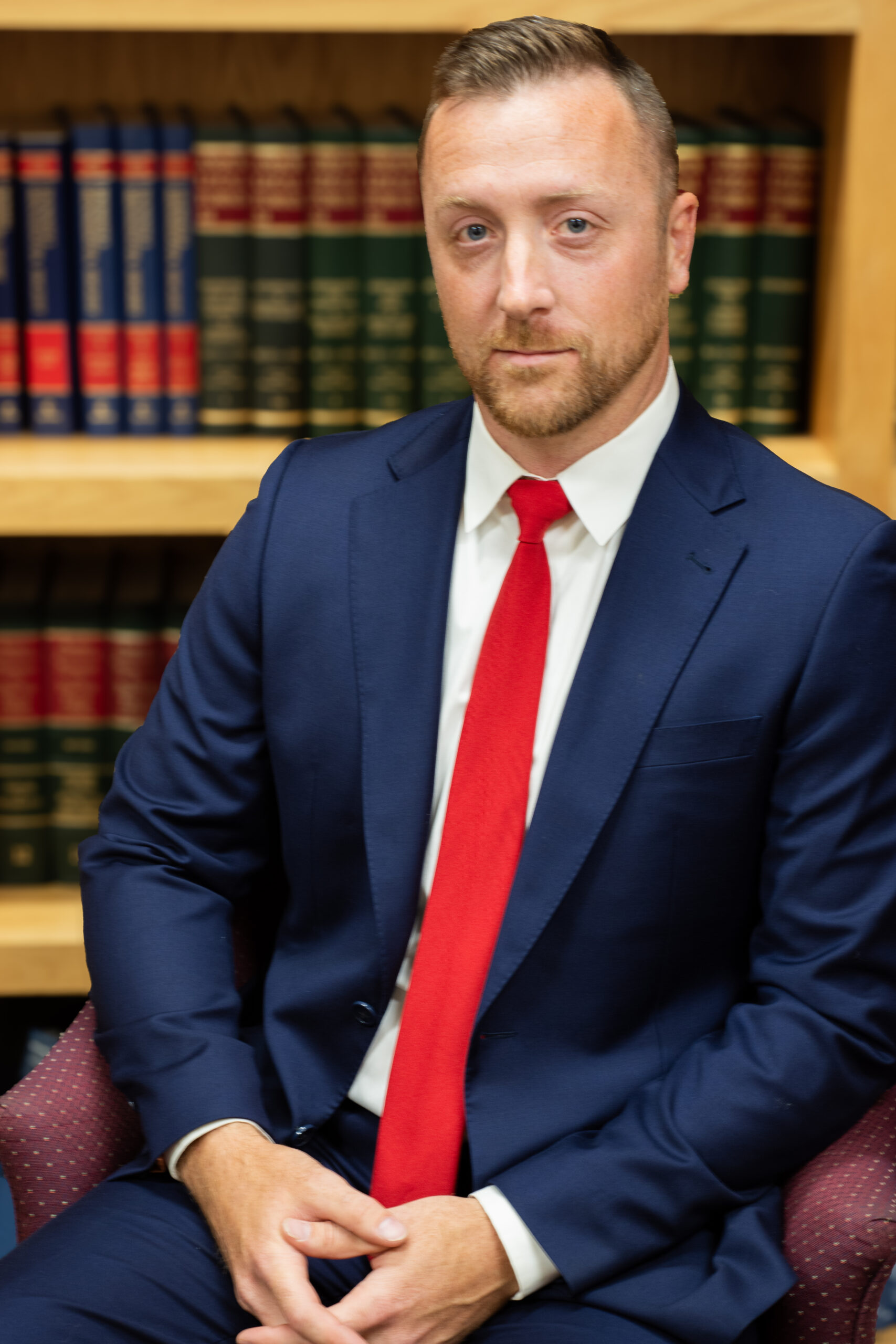
David V. Hurt is a seasoned litigator who has been advocating for individuals, families, and businesses across Minnesota since 2012. His practice is rooted in a practical, results-driven approach that blends strategic litigation with thoughtful dispute resolution. David's clients trust him to navigate complex legal issues with clarity, efficiency, and unwavering commitment.
He began his legal career clerking for the Honorable John G. Melbye in the Ninth Judicial District of Minnesota, where he gained invaluable perspective on trial practice and judicial reasoning. Since then, he has built a diverse portfolio of experience at firms in Minneapolis, Washington, D.C., and Pennsylvania—litigating matters ranging from corporate and construction disputes to aviation claims.
David’s practice spans a wide range of civil matters, including business formation and litigation, real estate and land use disputes, probate and trust litigation, and family law. He is particularly experienced in resolving high-conflict disputes and routinely employs alternative dispute resolution strategies to secure favorable outcomes for his clients while minimizing cost and disruption.
Areas of Practice:
Education:
Bar Admissions:
Professional Affiliations:
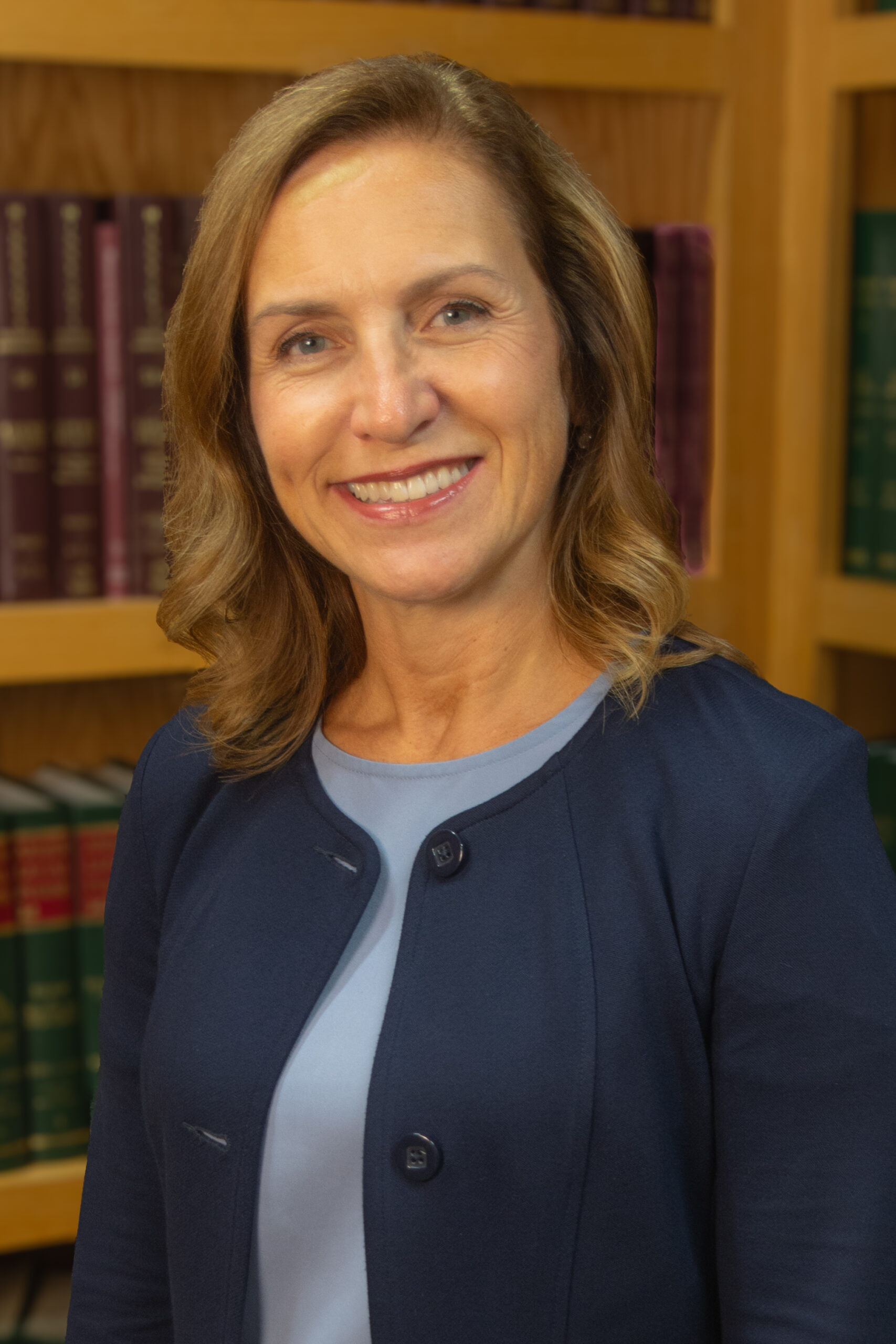
Virginia "Ginny" Knudson represents individuals and businesses in various areas of law, including, estate planning and probate, business and corporate, real estate, and governmental relations. Ginny provides mediation services in divorce and custody, especially for business owners and high wage-earners, as well as for real estate, probate and business disputes. Ginny has been selected as a top attorney by Minnesota Super Lawyer Magazine from for 13 years.
Areas of Practice:
– Estate planning
– Business and corporate
– Real estate and landlord representation
– Probate disputes, guardianships and conservatorships
– Municipal and governmental relations
-- Mediation
Education:
– University of Minnesota Law School, Minneapolis, Minnesota, 1994, J.D.
– Honors: Cum Laude
– University of St. Thomas, Minneapolis, Minnesota, 1991, B.A.
– Honors: Summa Cum Laude
– Honors: Aquinas Scholar
– Major: Economics, Spanish, Minor: Business
Bar Admissions:
– Minnesota, 1994
– U.S. District Court District of Minnesota, 1994
– U.S. Court of Appeals 8th Circuit, 1996
Professional Memberships:
– St. Francis Church Finance Council, 2004–present, Chair and Trustee
- Essentia-St. Joseph's Medical Center, Directors Council, 2020-present
- Lakes Area Music Festival Board, Board Member 2022-present
– Brainerd Area Chamber of Commerce, 2016-2022, Board Member and Chair
– Mount Ski Gull, Board Member, 2014-2019
– Benevolent and Protective Order of Elks, Brainerd Lodge #615
– Zonta International, 1999–2018
– Jaycees, Brainerd, 1998–1999
– Aitkin/Crow Wing County Bar Association, 2000–2001, President
– Aitkin/Crow Wing County Bar Association, 1999–2000, Vice-President
Patrick has been practicing law since 1980, dedicating over 90% of his career to representing personal injury victims and their families, as well as handling a wide range of civil litigation matters. He is a Certified Trial Specialist recognized by the Minnesota Bar Association and was named a leading American attorney in personal injury law by the American Research Corporation. His professional excellence also earned him recognition as a Super Lawyer by Minnesota Law & Politics, placing him among the top six percent of attorneys in Minnesota.
Pat is enjoying a well-deserved retirement after 40+ years of practice. We thank Pat for his years of dedication to the firm and his service to the Brainerd Lakes Area. His legacy is marked by a deep commitment to justice, compassion for clients, and significant contributions to the legal profession.
Areas of Practice (during his active years):
Plaintiff’s Personal Injury
Civil Litigation
Real Estate Litigation
Construction Litigation
Contract Litigation
Mediation and Arbitration
Education:
– University of North Dakota School of Law, Grand Forks, ND – J.D., 1980
- Honors: Graduate of the Year, Bruce Inn
- North Dakota Law Review, 1979–1980
– Concordia College, Moorhead, MN – B.A., 1974
- Major: Business Administration / Hospital Administration
Bar Admissions:
Minnesota, 1980
U.S. District Court, District of Minnesota, 1981
Professional Memberships:
American Bar Association, Member
Minnesota State Bar Association, Member
American Association for Justice, Member
Minnesota Association for Justice, Member
Crow Wing-Aitkin County Bar Association, Past President
Brainerd Area Chamber of Commerce, Past Board Member
Brainerd Jaycees, Past President (1981–1982)
Benevolent and Protective Order of Elks, Brainerd Lodge #615, Past Exalted Ruler
P.O.R.T. Group Home, Past Member, Board of Directors